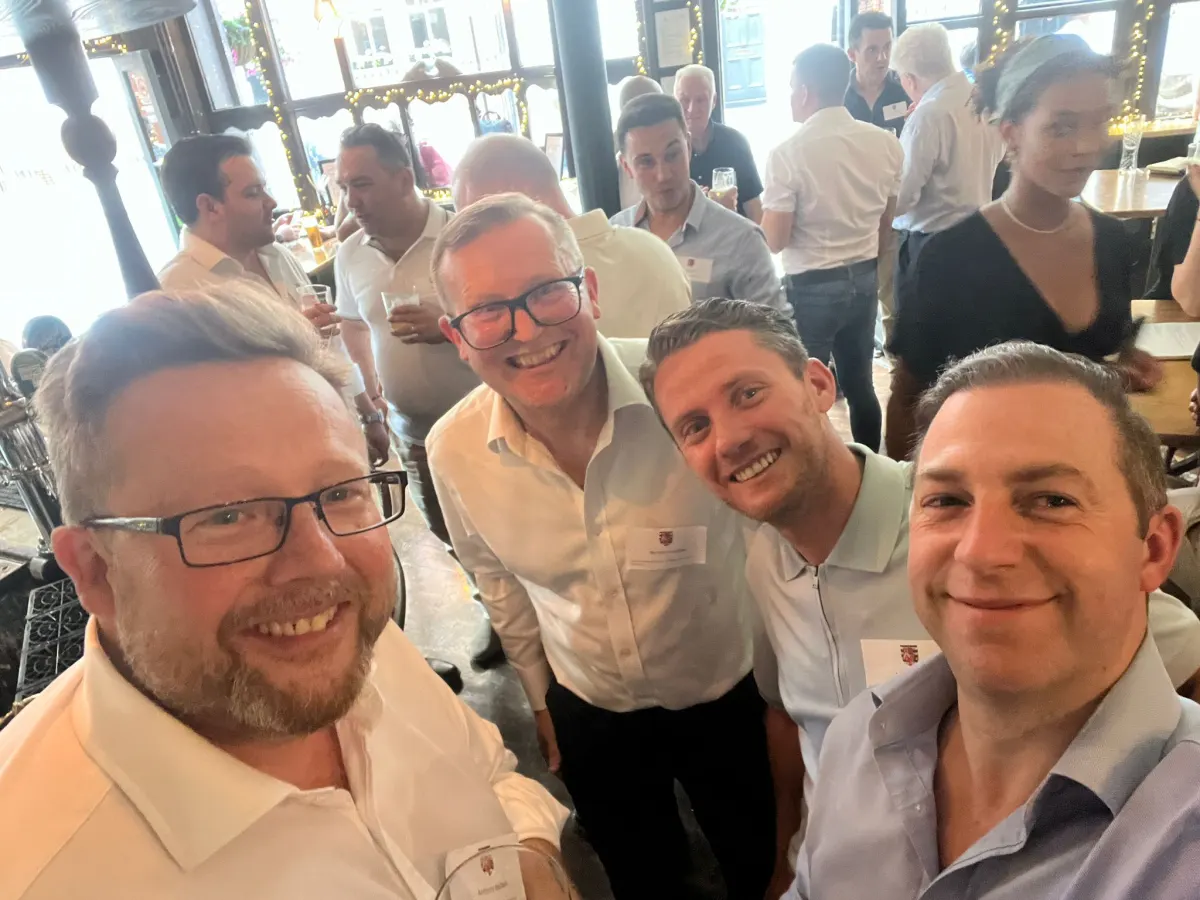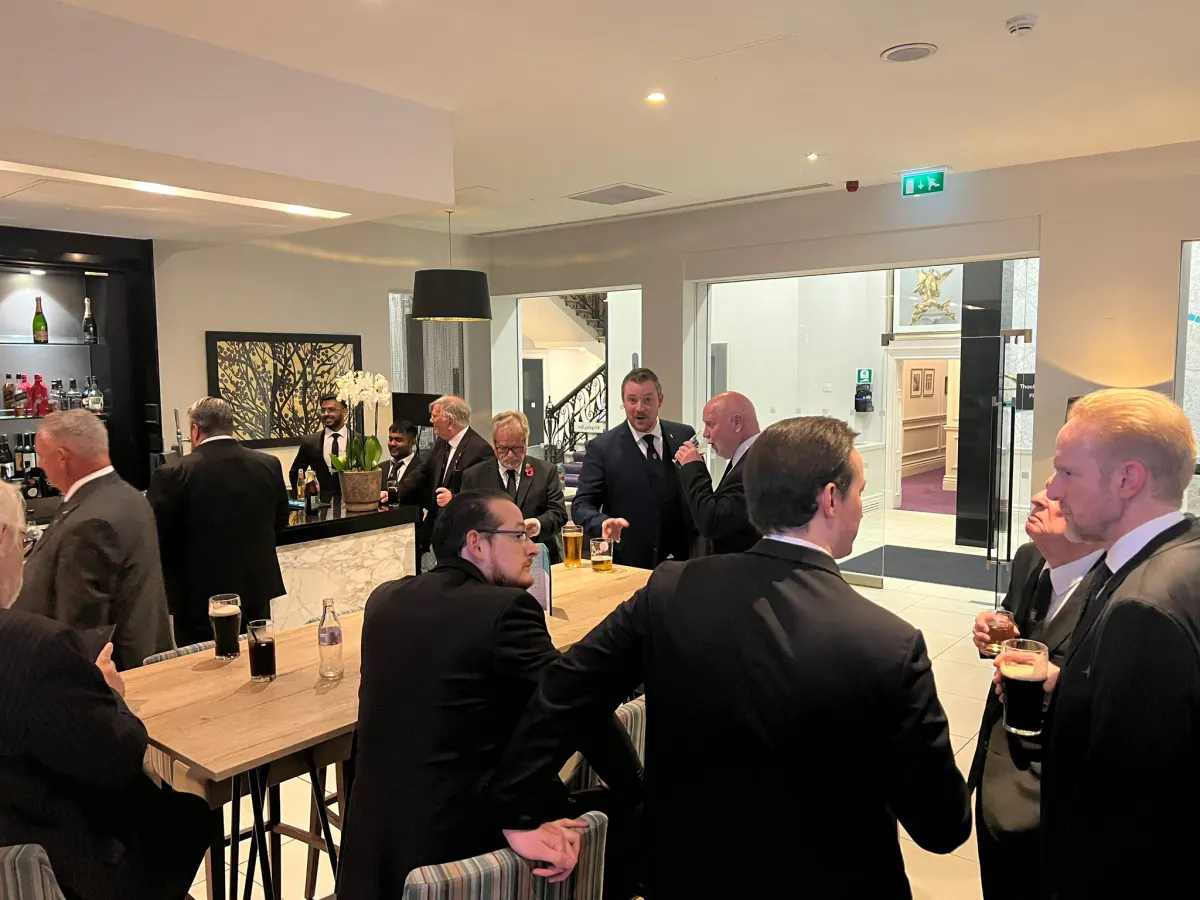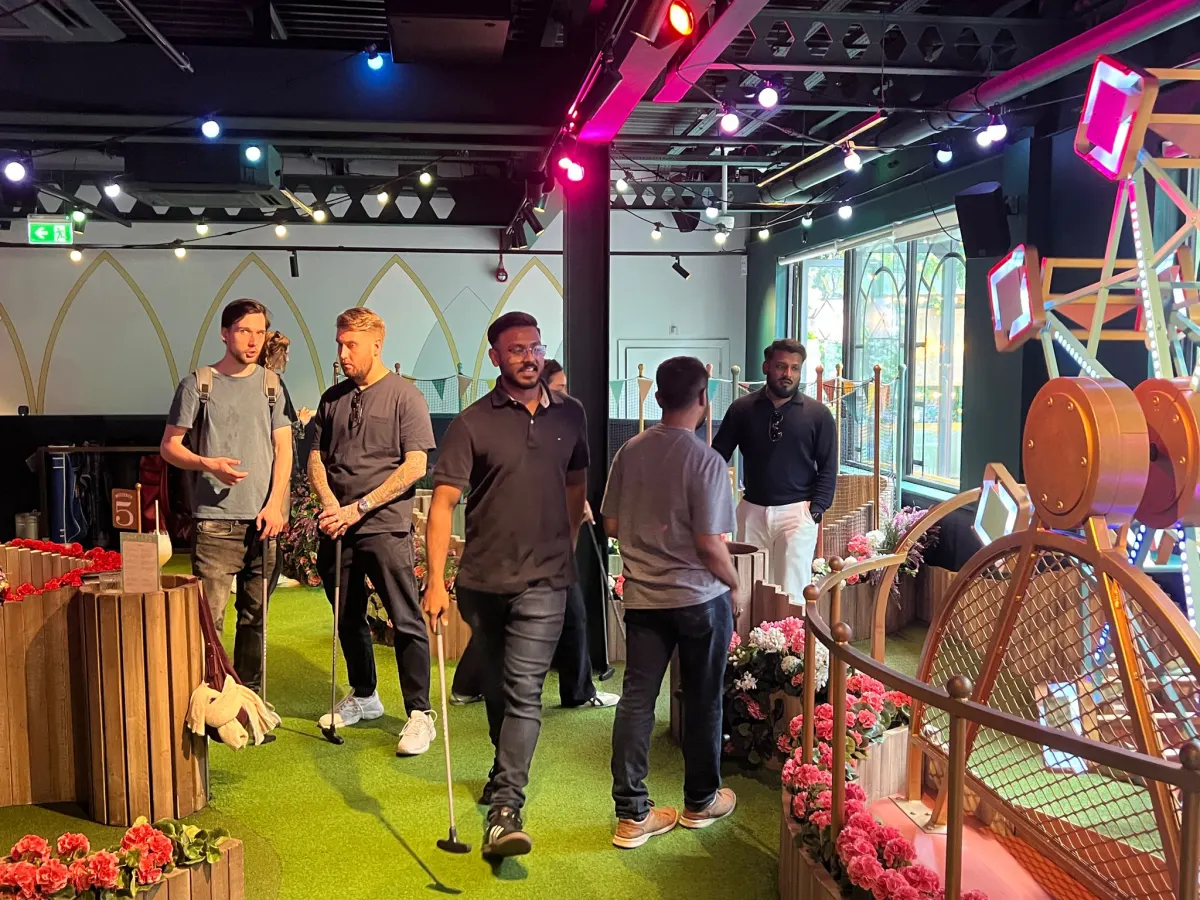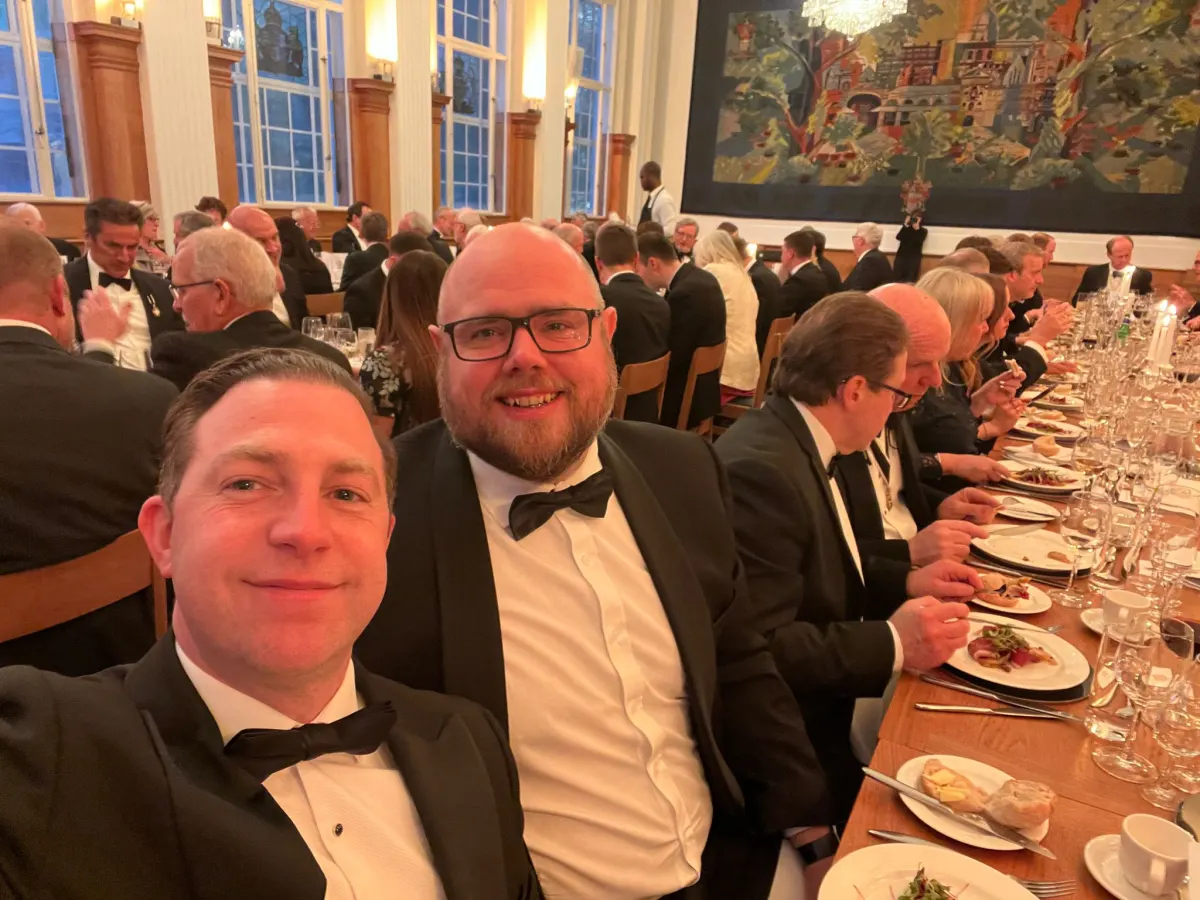
There is a particular kind of friendship that modern life makes surprisingly difficult to build: the kind that doesn't depend on a shared project, a shared employer, or a shared season of life, and that keeps going regardless. Work friendships often end with the job. Parent-friendships often end when the children grow apart. Even close friendships built around a single hobby can quietly dissolve the moment one person's circumstances change. Freemasonry was never designed to solve loneliness — it is centuries older than the word being used the way we use it today — but a Lodge turns out to do something that is very hard to arrange for yourself: it puts the same group of people in the same room, on a predictable schedule, for reasons bigger than any one of them, indefinitely. That structure is the whole of what follows.
This is worth setting out properly rather than simply asserted, because it's a reasonable thing to be sceptical of. What follows is not a sales pitch for Freemasonry so much as an explanation, section by section, of the specific mechanisms — mentorship, ritual, shared meals, collective purpose, and a wider network beyond one Lodge — that make Masonic friendship unusually durable, together with the evidence behind each one.
Why Real Friendship Has Grown Harder to Find
The statistics on this are not close to ambiguous. One in five men in the UK report having no close friends at all, roughly double the rate for women. Among under-35s specifically, the proportion with only one or no close friend has roughly trebled over the past decade, from around 7% to 22%. Three-quarters of men say they'd turn to a spouse or partner first for emotional support — which is a fine arrangement until you consider how many men, at any given time, don't have one.
Part of the reason is structural rather than personal. Men's friendships, more than women's, tend to be built around a shared activity rather than a shared conversation — football, the gym, the same job — which works well while the activity continues and fades quickly once it stops, whether through retirement, injury, a house move, or simply drifting rotas. The American sociologist Robert Putnam documented the same pattern institutionally in his 1995 study Bowling Alone, tracking a decades-long decline across almost every kind of American civic and fraternal association — churches, unions, the Boy Scouts, the Red Cross, and, by name, Freemasonry and similar fraternal orders, which saw a sharp fall from the 1970s onward after decades of steady growth. The United Kingdom saw a broadly similar pattern over the same period, for broadly similar reasons: more people living alone, more time spent commuting or working remotely, and fewer of the regular, low-effort, recurring social structures — the working men's club, the union branch meeting, the church social — that used to exist by default in most British towns.
Remote and hybrid working has quietly removed another layer of incidental contact — the colleague you used to see daily by accident, and became friends with almost without trying, is now someone you message instead. By 2025, an estimated two million people over 50 in the UK reported regular feelings of isolation, a figure that has been rising steadily rather than levelling off. None of this is a criticism of anyone's individual social life. It's simply that the default social infrastructure most people relied on a generation ago has thinned out considerably, and very little has arrived to replace it. A Lodge is one of the few remaining structures built for exactly that purpose.
What a Lodge Actually Gives You
The mechanics are unglamorous, and that's rather the point. A Lodge meets on a fixed pattern set out in its by-laws — at Royal Arthur Lodge, that means several meetings a year at the same points in the calendar, each followed by a Festive Board dinner in the same building with largely the same people. Nobody has to remember to organise it, chase a group chat for a date that works, or wonder if this is the year it quietly stops happening. It simply recurs, the same way a family occasion recurs, for as long as you remain a member.
Offices within the Lodge — Secretary, Treasurer, Almoner, and the progression of chairs leading eventually to Worshipful Master — rotate between members, typically on an annual basis. Over a period of years, this means most members come to know most other members reasonably well, rather than clustering into small, closed friendship groups the way looser social clubs often do. It also means everyone, at some point, is asked to contribute something specific and visible to the group, which tends to build a different, sturdier kind of familiarity than simply attending and socialising.
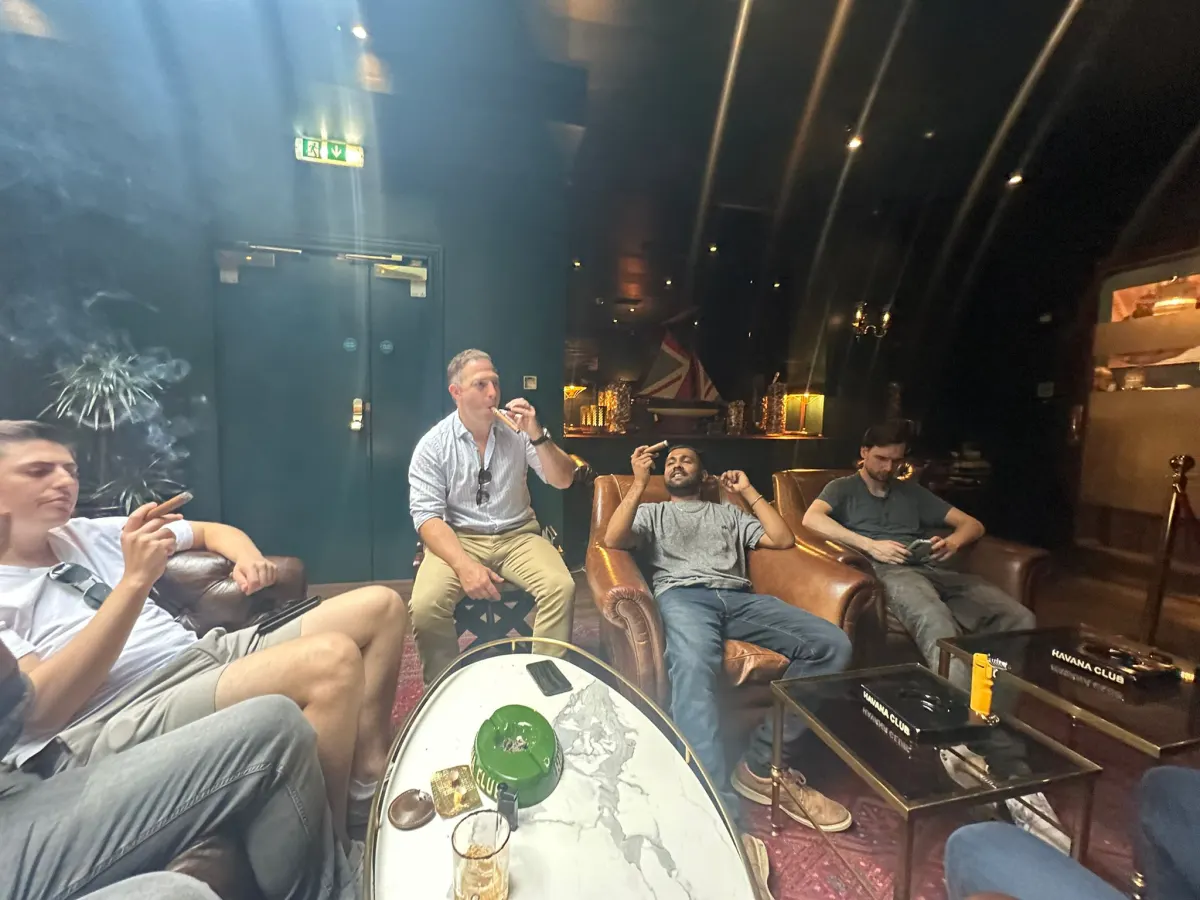
The urban sociologist Ray Oldenburg wrote about the importance of what he called a "third place" — somewhere that is neither home nor work, low-pressure, regularly attended, and organised around no purpose more complicated than being together. Cafés, pubs, and barbershops are the usual examples, and Oldenburg argued that a community's health can be read fairly directly from how many genuine third places it still has. A Lodge functions as a more structured version of the same idea, with the addition of shared ceremony, shared history, and a shared set of obligations to each other that a café table doesn't carry — and, unlike a café, it can't quietly close down or change hands, because its continuity is the entire point of the institution.
There is also a simple matter of age range. Many modern social structures — a Saturday five-a-side team, a university society, a parents' WhatsApp group — sort people by life stage almost by accident, so that friendships rarely cross more than a decade or so in age. A Lodge routinely brings together members in their twenties and members in their eighties around the same table, which produces a kind of cross-generational friendship that is otherwise increasingly rare, and that both younger and older members tend to describe as one of the more valuable and unexpected parts of joining.
The Festive Board: Why Sharing a Meal Still Matters
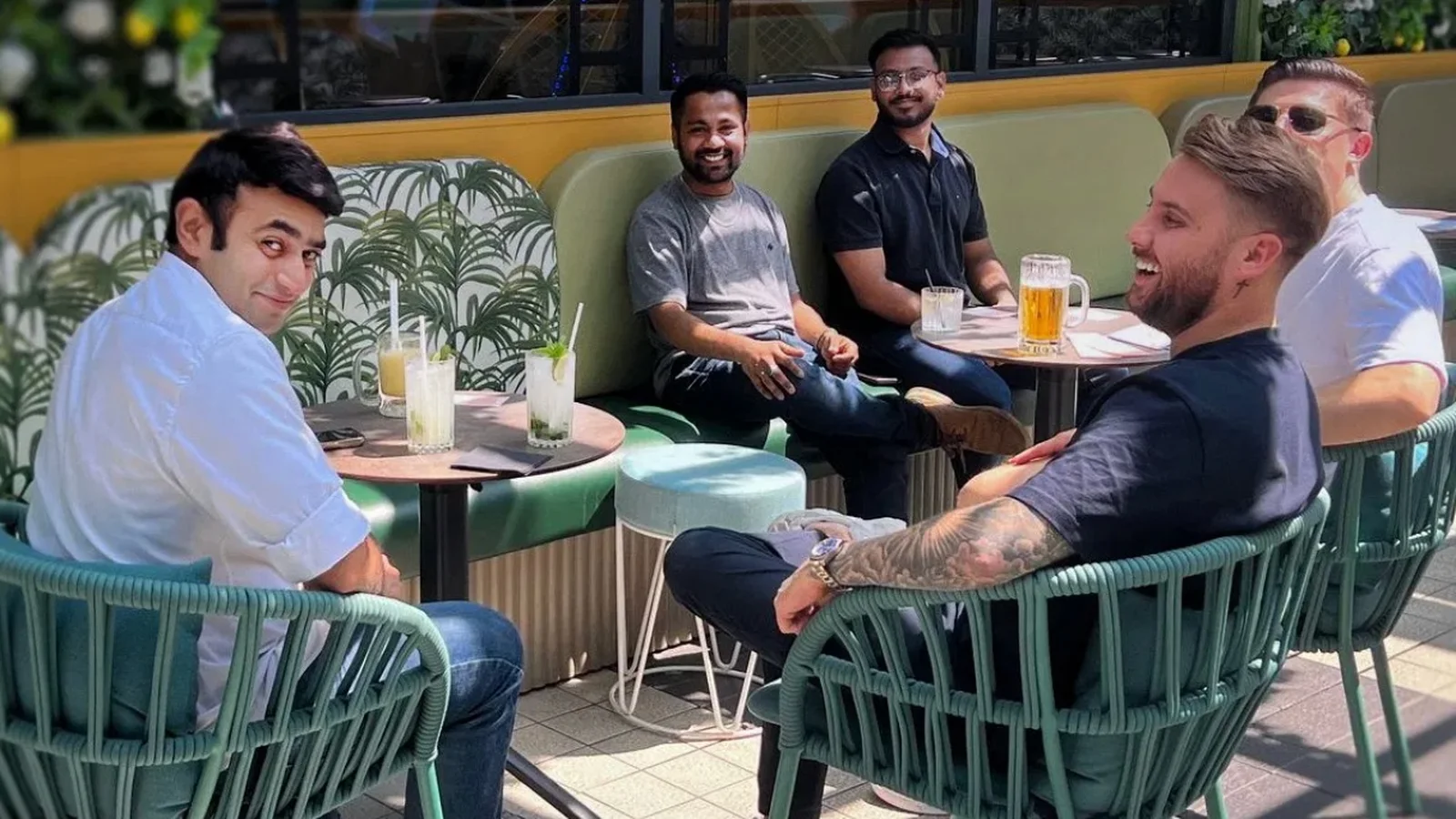
The dinner that follows almost every Lodge meeting can look, from the outside, like simply a pleasant tradition. It is doing more than that. In a landmark 2017 Oxford University study led by the evolutionary psychologist Professor Robin Dunbar — run in partnership with the Big Lunch initiative and drawing on a national UK survey — people who ate socially more often were found to be happier, more trusting of others, more engaged with their local community, and more likely to have friends they could depend on for real support. Dunbar's research points to a specific mechanism behind this: eating together triggers the brain's endorphin system, the same one activated by laughter, singing, and physical touch, in a way that eating alone simply doesn't replicate. Crucially, Dunbar's data suggests the causation runs in the direction you'd want it to for an argument like this one: it is not so much that close friends happen to eat together, but that eating together is part of what makes people close in the first place.
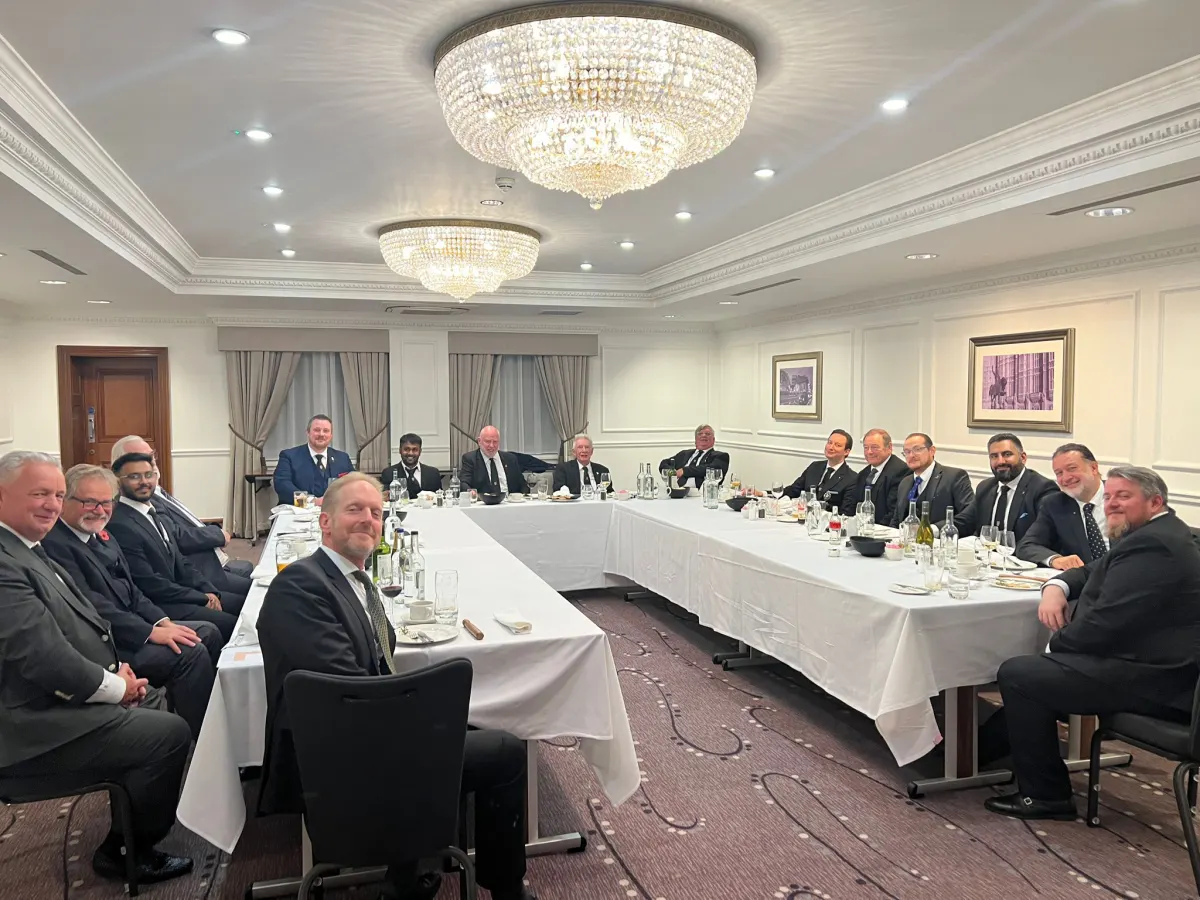
The Festive Board takes that mechanism and repeats it, with the same people, meeting after meeting, year after year. It is one of the simplest and best-evidenced tools a Lodge has for turning acquaintance into friendship, which is exactly why it has survived, largely unchanged, for as long as Freemasonry has kept minutes at all.
The Proposer and Seconder: Mentorship From Day One
One detail of how Freemasonry works solves a specific problem that almost every other kind of adult social group leaves you to solve yourself: arriving somewhere new alone. Every candidate for membership requires a Proposer and a Seconder — two existing members who formally support the application and, in the ordinary run of things, take a personal interest in helping the new member settle in afterwards. It means nobody joins a Lodge cold. There is always, from the very first meeting, at least one person already invested in making sure you find your feet, understand what's happening, and get introduced around.
This mentoring relationship typically continues well beyond the initial ceremony, as a new member progresses through the degrees of Freemasonry and later into Lodge offices himself. Many members go on to become a Proposer or Seconder in turn — which is, in effect, the whole system quietly reproducing itself, one new friendship at a time. Compare this with almost any other way an adult can try to make new friends as an outsider — a running club, a night class, a new job — and the difference is fairly stark: those all rely on you doing the work of breaking in unassisted. A Lodge assigns you a guide before you've even arrived.
Why Shared Ritual Builds Real Bonds
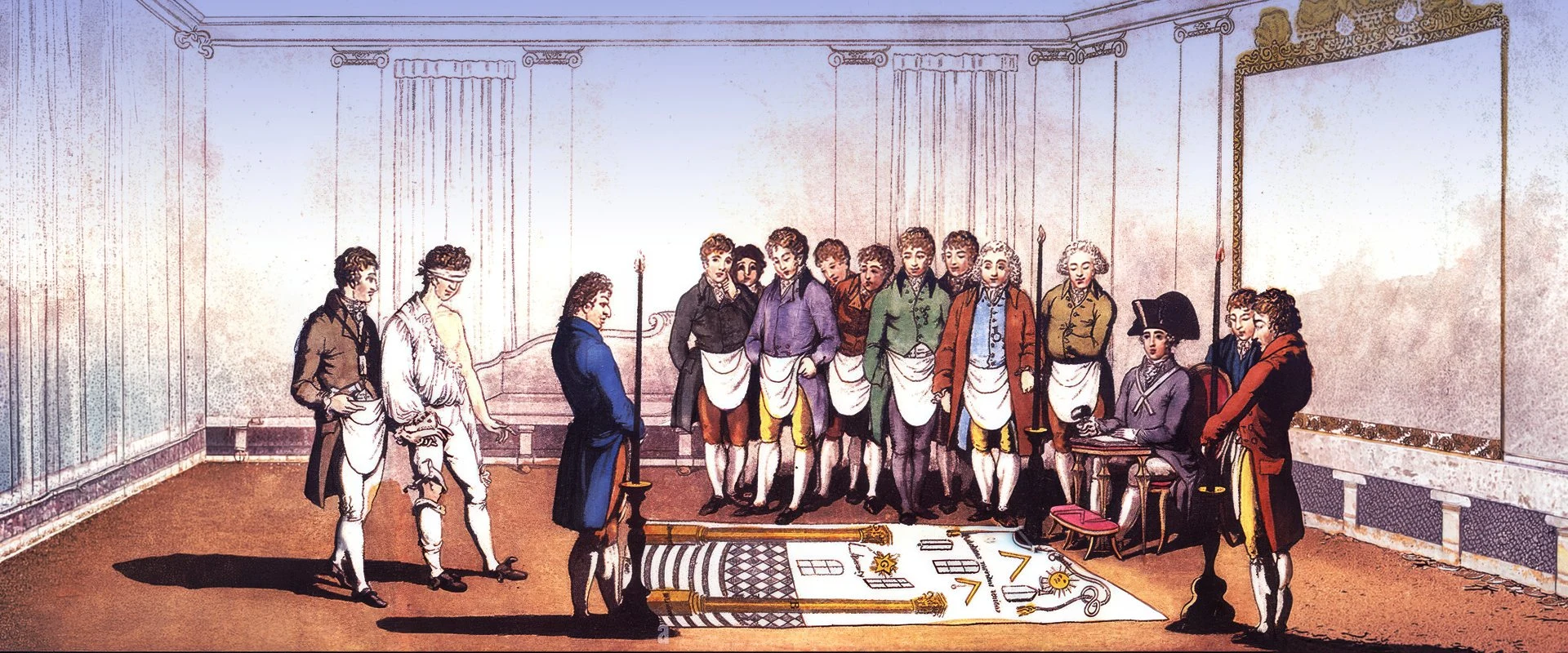
It would be easy to treat Masonic ceremony as simply tradition for its own sake, but there is a reasonably substantial body of research suggesting ritual does specific, measurable social work. The anthropologist Dimitris Xygalatas and colleagues have found that synchronised group activity — moving, speaking, or acting together in time — measurably increases trust and cooperation between participants, and that physiological effects such as heart-rate synchronisation spread through a group during shared ritual, more strongly between people who already feel socially close. None of this is unique to Freemasonry: choirs, military units, sports teams, and religious congregations all rely on the same underlying mechanism. What Freemasonry offers is simply a particularly well-preserved, centuries-old version of it, practised with unusual consistency.
This is worth stating plainly because it reframes a question newcomers often ask privately: why does the ceremonial side matter, if the real goal is friendship? The research suggests these aren't two separate things. The shared ritual is, in a fairly literal sense, one of the mechanisms by which the friendship gets built.
Charity as Shared Purpose
Working towards something together tends to bond people more deeply than simply spending time together, and Masonic charity gives a Lodge a constant, ongoing version of that experience. Royal Arthur Lodge's charitable giving — covered in full in our article on Freemasonry and charity and on our Charity page — isn't a separate activity bolted onto the social side of Lodge life; it's one of the main things members do collectively, year after year, and a Lodge's fundraising efforts are almost always a group effort rather than an individual one. Shared purpose of this kind is one of the oldest and most reliable ways any group of people turns into a genuine community rather than simply a list of acquaintances.
A Wider Family: Visiting Other Lodges
Masonic friendship is not confined to one's own Lodge. Visiting other lodges — and welcoming their members in return — is one of Freemasonry's oldest customs, and it means a Royal Arthur Lodge member has a genuine, practical way to make friends with Brethren from lodges right across London, the rest of the country, and, through the wider international network of recognised Grand Lodges, in other countries entirely. Two Freemasons who have never met before, from opposite ends of the country or the world, share enough common structure and understanding to be welcomed into each other's Lodge rooms as guests. Few other organisations offer a newcomer that scale of ready-made connection.
This matters in a very practical way for anyone who relocates for work or retirement, or who simply travels a great deal — a common source of the friendship loss described earlier in this article. A Freemason moving to a new city rarely has to rebuild his entire social circle completely from nothing; he generally has, at minimum, a route straight back into the same kind of structured, welcoming environment he's just left.
What This Looks Like at Royal Arthur Lodge
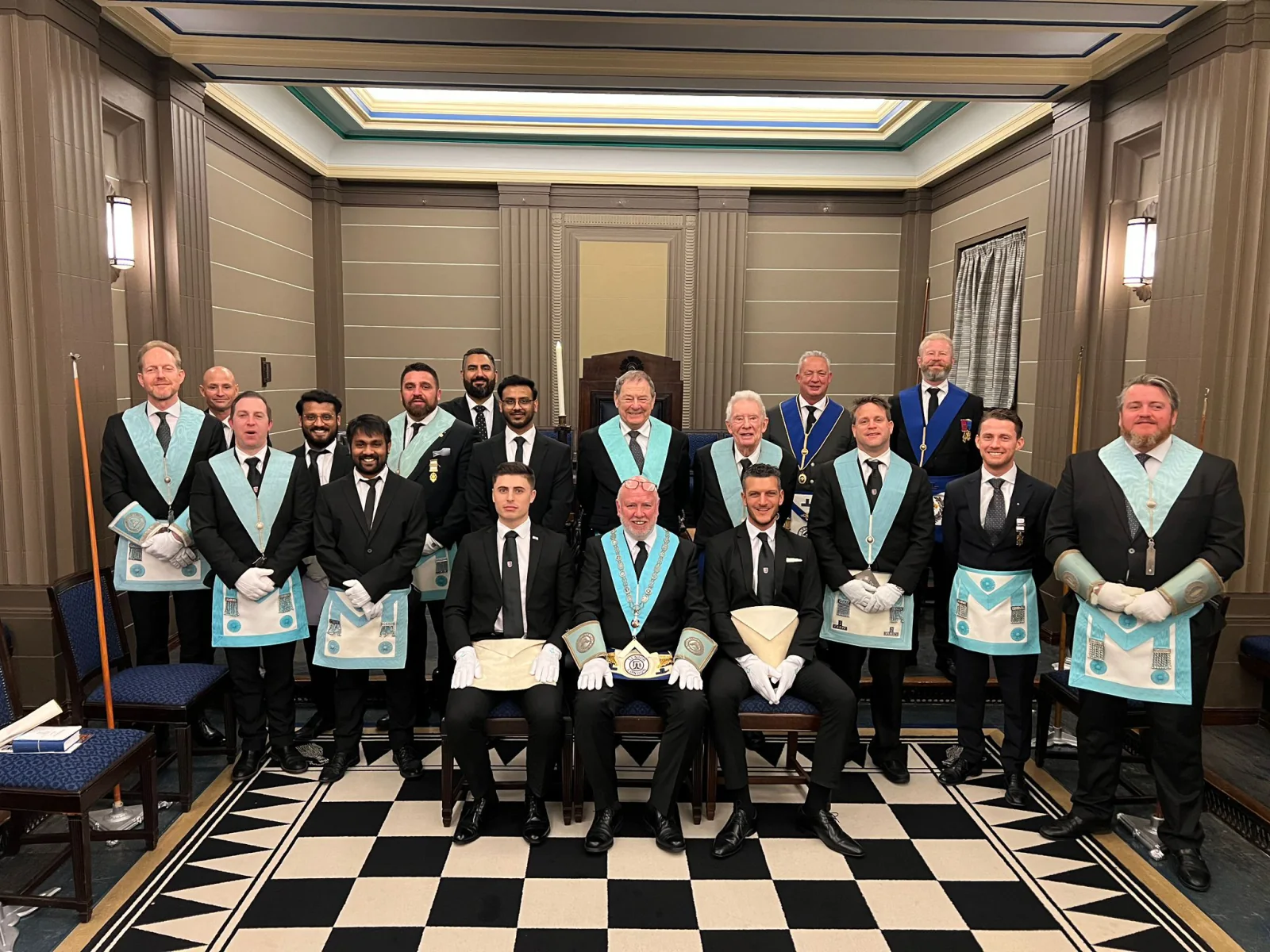
In practice, this is simply the texture of an ordinary year at Royal Arthur Lodge. Meetings run to the same pattern they always have; the Festive Board follows every one of them, in the same warm, unhurried style; newer members are introduced by their Proposer and gradually drawn into the wider circle; and the Lodge's charitable work gives everyone, regardless of how long they've been a member, a shared project bigger than themselves. None of it is complicated, and none of it happened by accident — it is what a Lodge has always been built to do, and it continues to do it for exactly the same reasons it always has.
If any of this sounds like something missing from your own life at the moment, that's precisely the conversation worth having with us directly — see our Join Us page, or get in touch with any questions at all.