← Back to home

Understanding the Craft

What is Freemasonry?

If you already know the Rotary Club or the Round Table, you have the right mental model. Freemasonry is a secular society built on friendship, self-improvement and charitable giving — not a religion, not a political movement, and not a secret society.

If you already know the Rotary Club or the Round Table, you have the right mental model. Freemasonry is a secular society built on friendship, self-improvement and charitable giving — not a religion, not a political movement, and not a secret society.

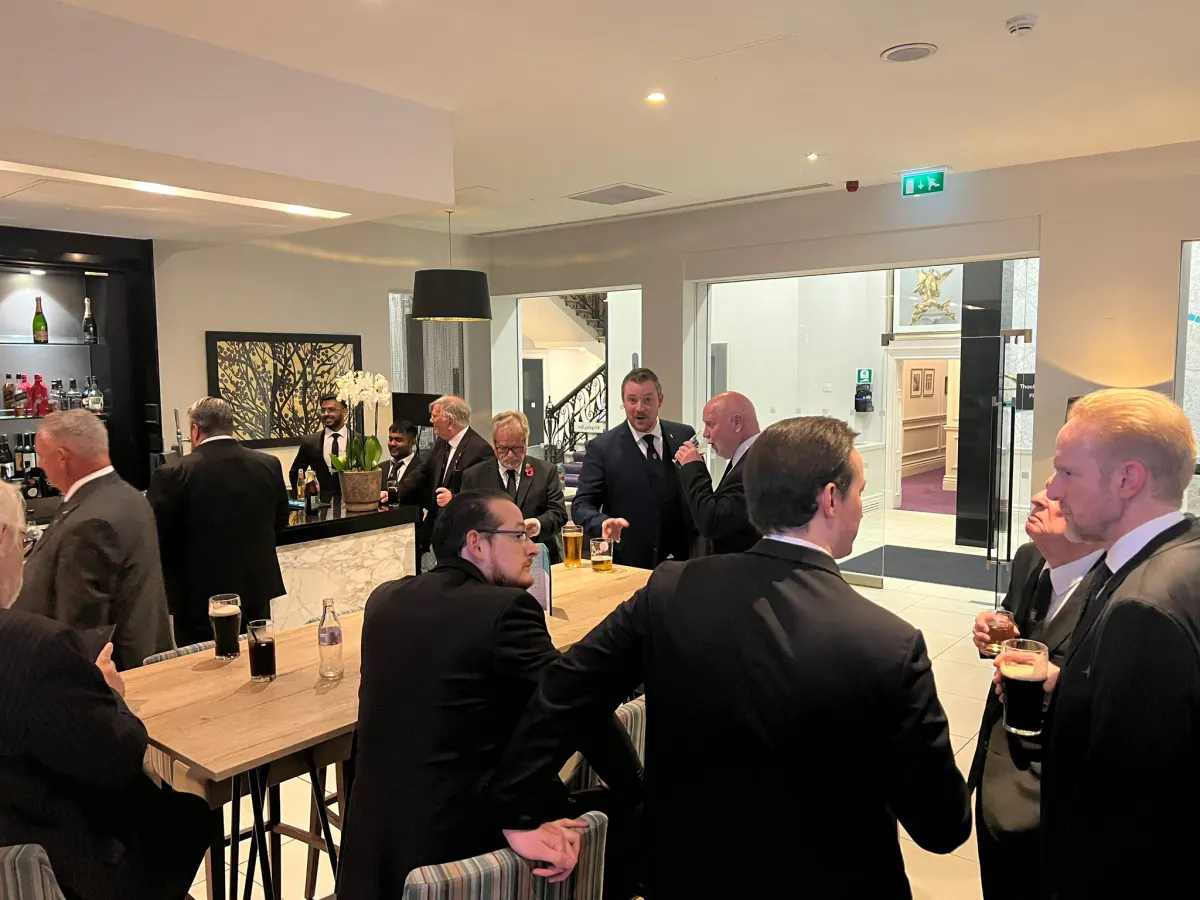
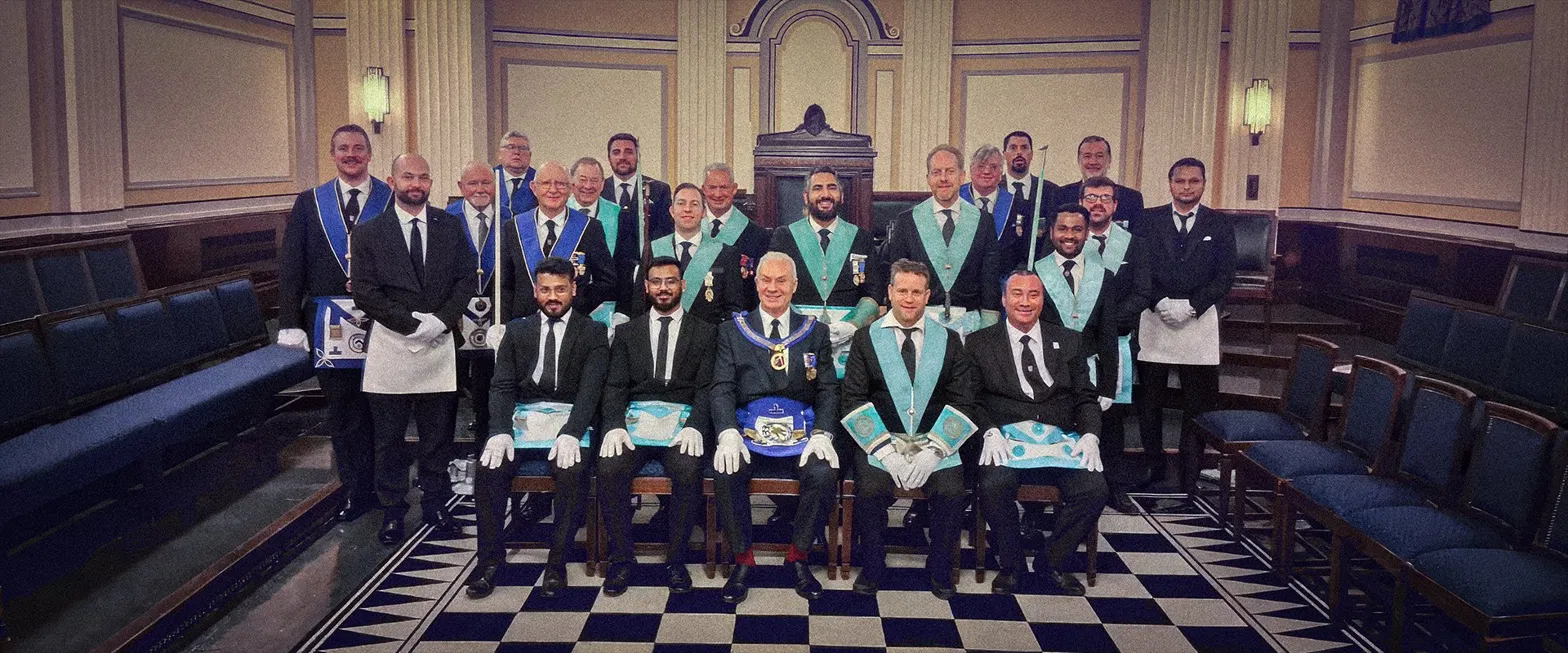
Royal Arthur Lodge members gathered in formal dress in the Lodge room
Members of Royal Arthur Lodge No. 1360 at Freemasons’ Hall, London.

What does Freemasonry actually mean?

Freemasonry brings together people from all walks of life, regardless of background, profession, or belief, united by a desire to become better individuals and to act with purpose. Membership is open to any man over 18 — and women are equally welcome in their own long-established Grand Lodges.

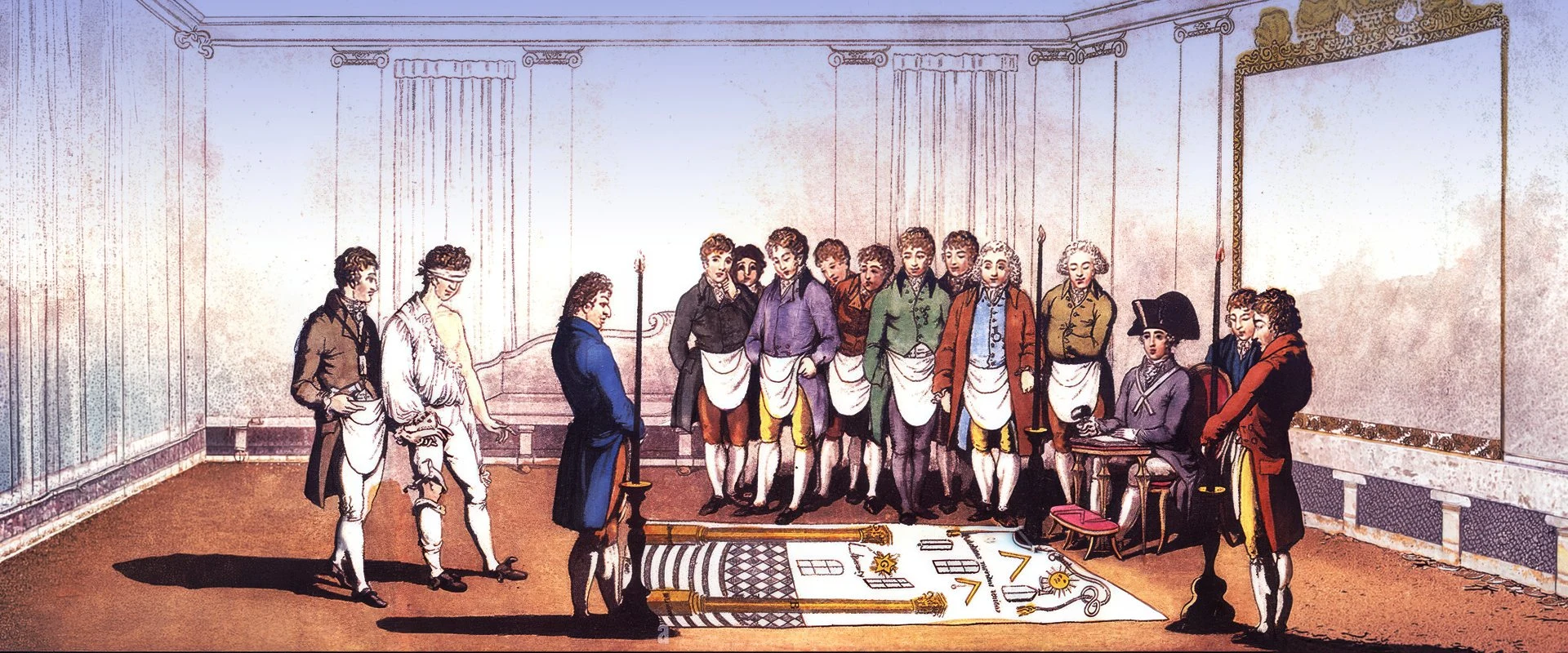
At its heart it is a system of moral and ethical teaching, presented through the allegory and symbolism of the medieval stonemasons who built Europe’s cathedrals. The square, the compasses and the level are not mystical — they are memory aids for living well: act “on the square,” keep your passions within due bounds, meet others “on the level.” The intention is simple: reflection, personal growth, and a strong sense of responsibility towards others.

BY THE NUMBERS

1717

The world's oldest Grand Lodge — over 300 years ago.

170,000

Members across England & Wales today.

7,000+

Lodges nationwide, in 48 Provinces.

£1m

Almost £1 million given to good causes every week.

Source: United Grand Lodge of England · ugle.org.uk

The four guiding values

Freemasons use four principles to help define their path through life — each drawn from the working tools of the medieval stonemason, and each still meant literally: build a good life the way you would build in stone.

IntegrityThe Square

Square your actions — do right, especially when no one is watching.

FriendshipThe Level

Meet on the level — bonds of equality across every generation.

RespectThe Plumb

Stand upright — for every faith, background and point of view.

ServiceThe Trowel

Spread the cement of brotherly love — give back to the community.

Freemasonry is not about status or privilege. It is about character.

What Freemasonry is not

A society three centuries old attracts myths. Here is the plain truth behind the three you will hear most often.

The myth

“It's a religion.”

Not a religion

Open to people of many faiths. It asks a belief in a Supreme Being, universal theology and never replaces anyone's religion.

The myth

“It's political.”

Not political

Party politics has no place in the Lodge. The Craft never lobbies, campaigns, or tells members how to vote.

The myth

“It's a secret society.”

Not a secret society

A society with traditions, not a secret one. Only the traditional modes of recognition are kept private.

What actually happens inside

A meeting has two halves. First, formal business in the Lodge room — minutes, charity, and the occasional ceremony marking a member’s progress, conducted with a good deal of tradition and a little theatre. Then the “Festive Board”: dinner, toasts and conversation, which is where the real friendships are made.
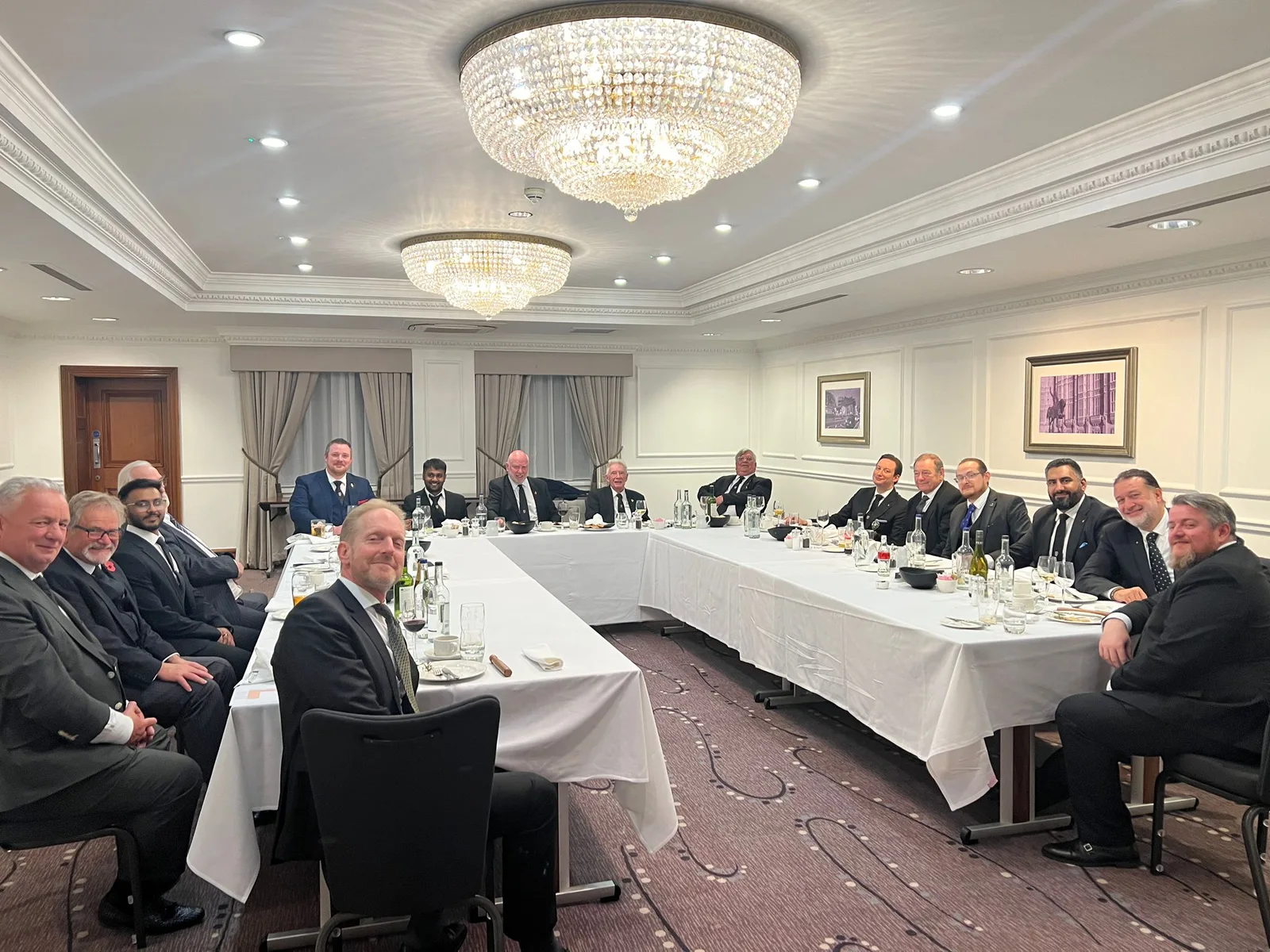
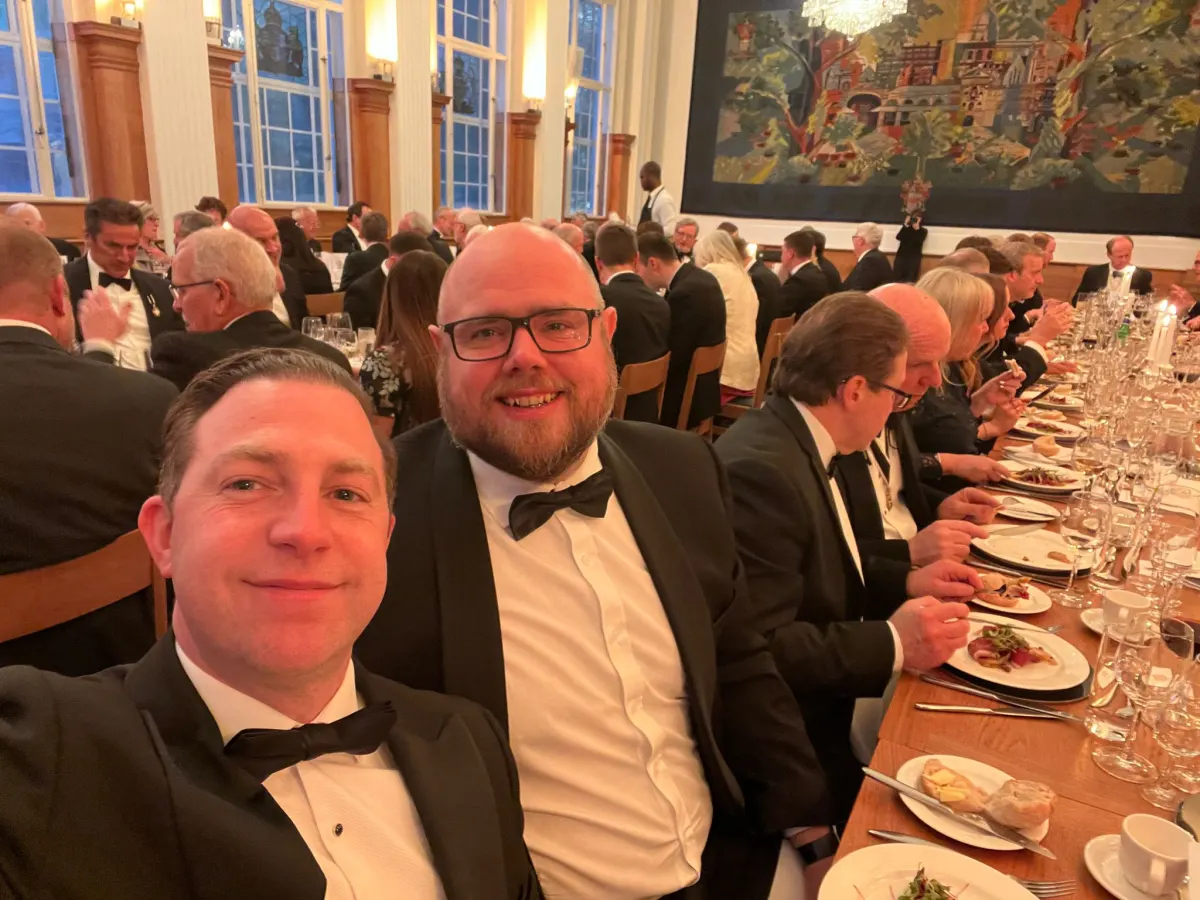
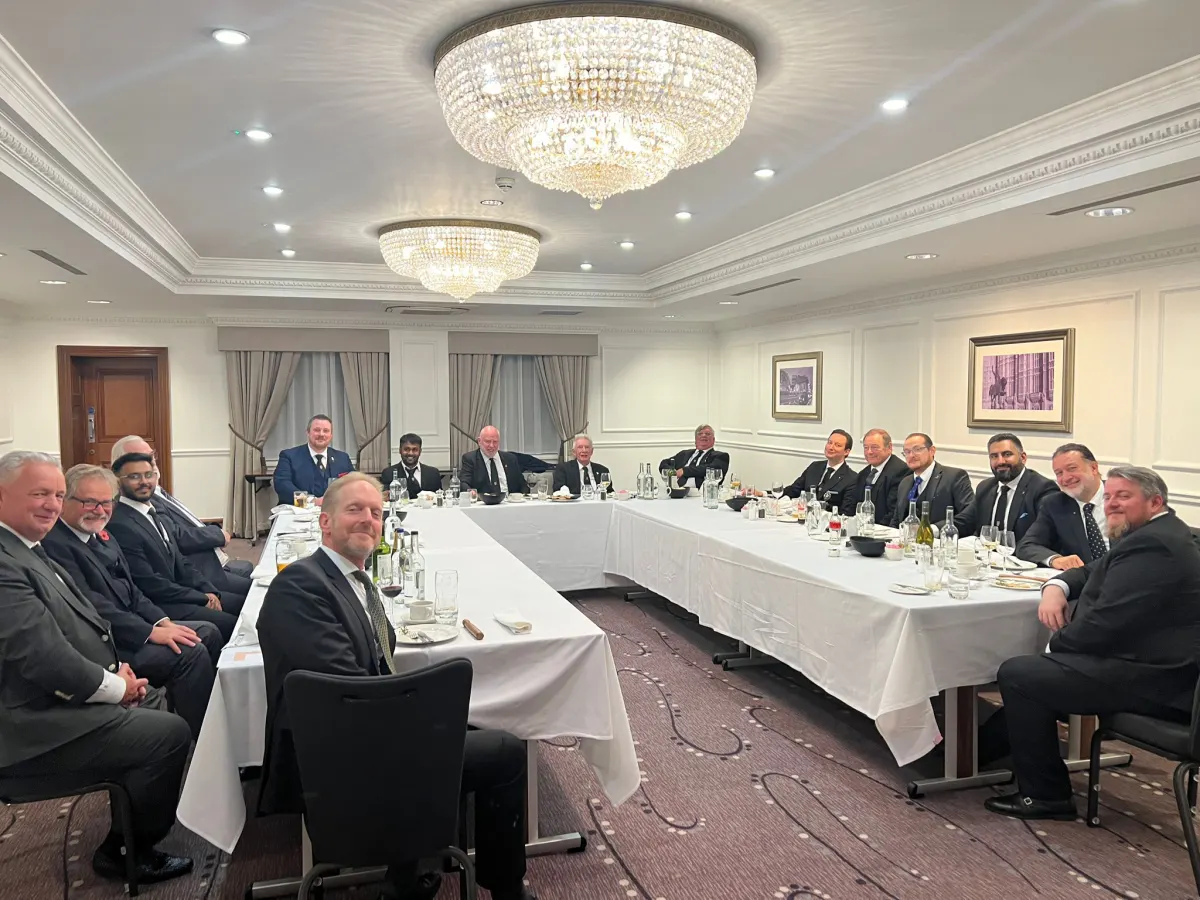
Members dining together at a Festive Board following a Lodge meeting
The Festive Board — dinner and fellowship after the formal meeting.

Between meetings there is far more of the second half than the first. The Lodge keeps a full social calendar — and it is here, rather than in any ceremony, that most members say they found what they were looking for.

Why people join — a sense of belonging

It is no secret that modern life has grown quietly lonelier. Britain became the first country in the world to appoint a Minister for Loneliness, and the Office for National Statistics now finds that around a quarter of adults feel lonely at least some of the time. We work remotely, move often, and know our neighbours less than our grandparents did. The old institutions that once gave people a place to belong — the parish, the working men’s club, the regiment — have thinned out, and little has arrived to replace them.

Freemasonry is one of the few things that has quietly endured. Stripped of the mystique, what a Lodge offers is disarmingly simple: a room full of people, of every age and walk of life, who know your name, notice when you are absent, and are glad when you return. It is a standing invitation to be part of something older and steadier than yourself — to be known, to be useful, and to belong. For many members, that turns out to matter far more than they expected when they first enquired.

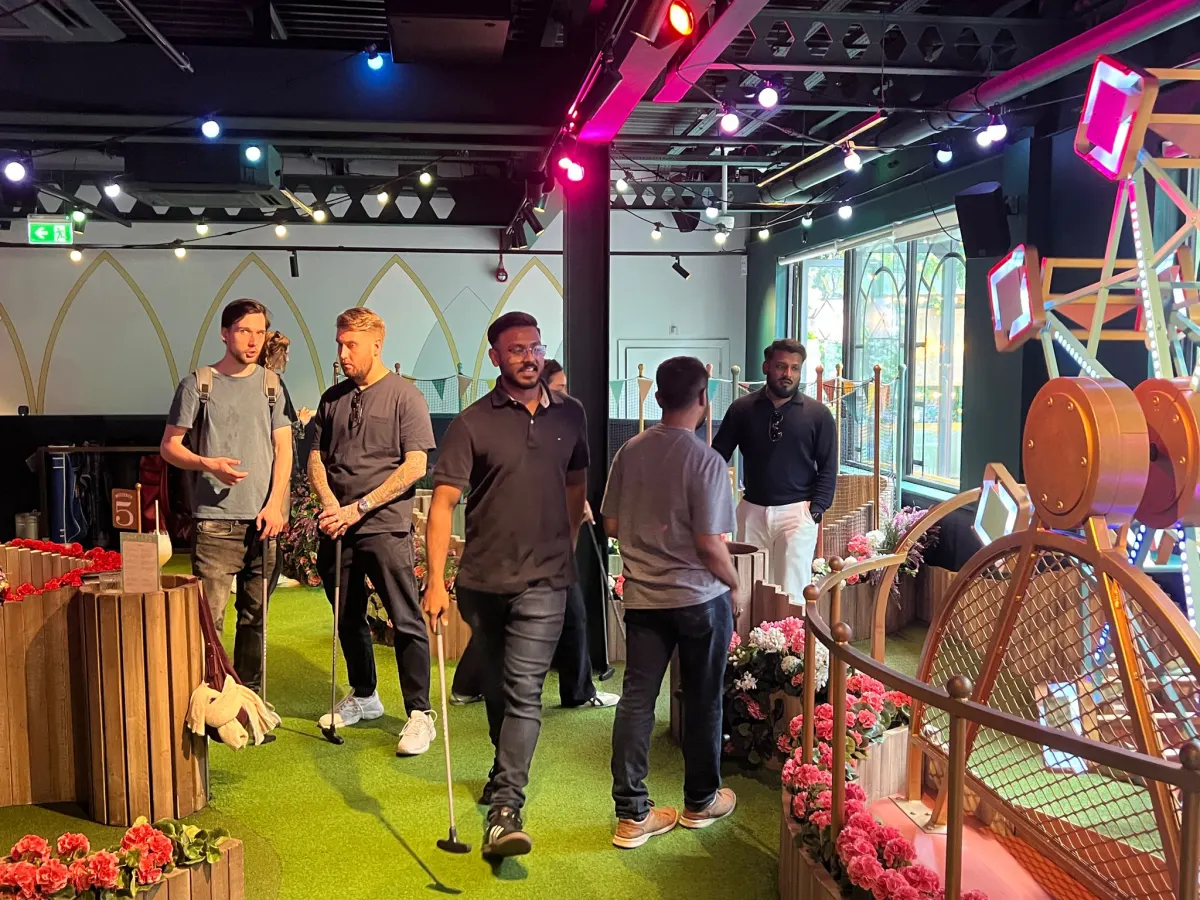
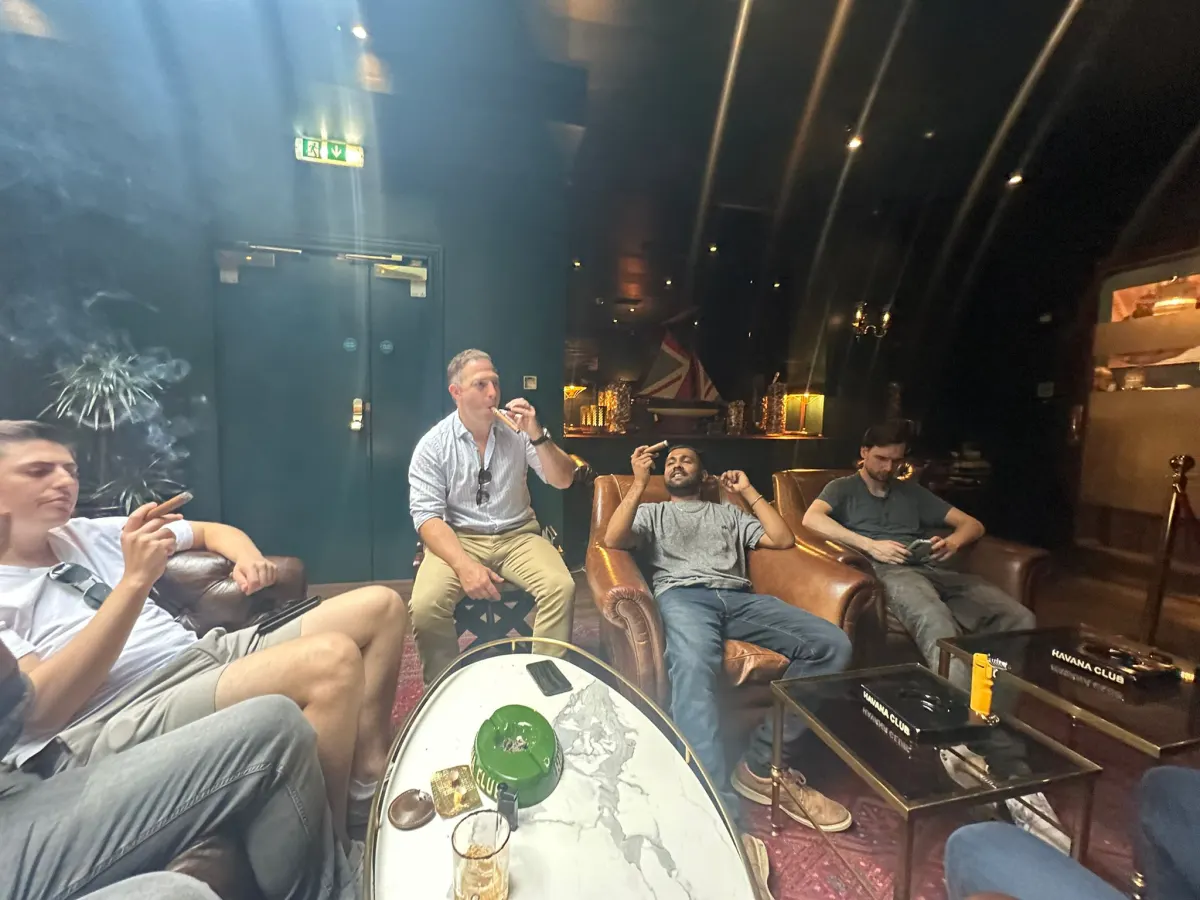
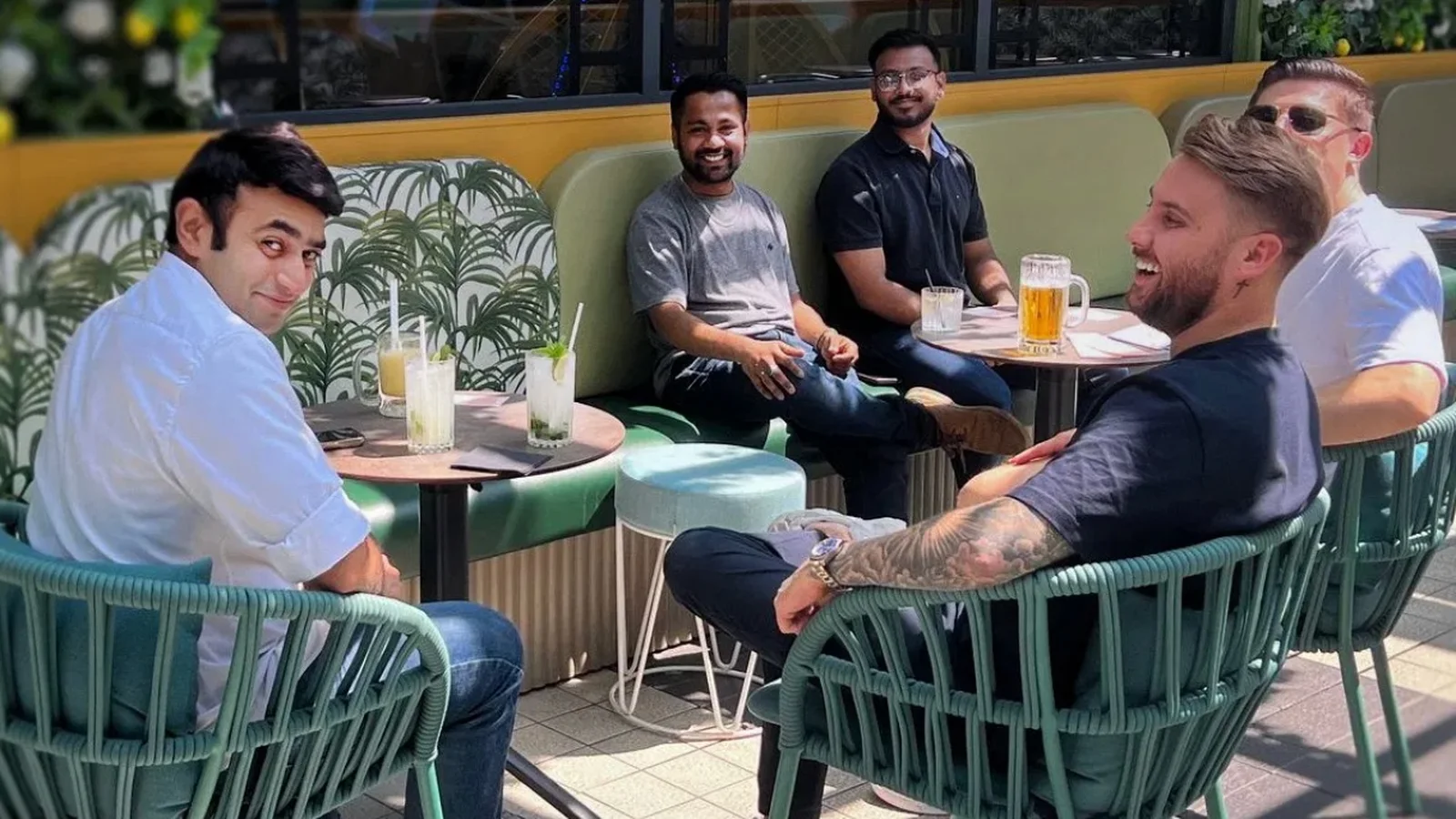
Around that fellowship sits a genuinely good year out. The formal calendar is punctuated by the things that make a club worth belonging to — and no one is ever left sitting on the sidelines:

We take some care that the table suits everyone at it. Every dietary requirement — allergies, vegetarian, vegan, halal, kosher — is catered for as a matter of course, and it is worth saying plainly that you will never feel out of place for not drinking. Alcohol-free participation is increasingly the norm rather than the exception, and a good evening at Royal Arthur has never depended on what is in your glass.

The other reasons people give are the ones you would expect — personal growth, a love of tradition and history, charity and service, and simply the company of like-minded people. But underneath nearly all of them is the same quiet thing: the wish to belong somewhere that will still be there next year, and the year after that.
Common questions

Frequently asked.

The questions people most often put to us — and the honest answers, whatever you may have read elsewhere.

The basics

What is Freemasonry, in plain terms?

It is one of the world's oldest secular societies — a members' organisation built around friendship, self-improvement and charity. Think of it as closer to Rotary or the Round Table than to anything mysterious: ordinary people who meet regularly, look out for one another, and give back to the community.

How old is Freemasonry and where did it come from?

Organised Freemasonry traces to the founding of the first Grand Lodge in London in 1717, though its symbolism reaches back to the medieval stonemasons who built Europe's cathedrals. The United Grand Lodge of England has governed English Freemasonry since 1813.

Is Freemasonry a religion?

No. It is not a religion and not a substitute for one. It asks that members hold a belief in a Supreme Being, but it has universal theology, no sacraments and takes no position on matters of faith. Members belong to many different religions — the Lodge simply asks that religion (and politics) not be debated within it.

Do Freemasons believe in God?

Members are required to profess a belief in a Supreme Being, but Freemasonry deliberately does not define that belief. Christians, Jews, Muslims, Hindus, Sikhs and others sit together in Lodge; each understands that belief in his own way.

What actually happens at a meeting?

Two halves. First, formal business in the Lodge room — minutes, charity, and occasionally a ceremony marking a member's progress, conducted with tradition and a little theatre. Then the "Festive Board": dinner, toasts and conversation, which is where the friendships are really made.

What are the aprons, regalia and symbols about?

The apron recalls the leather apron of the operative stonemason. Freemasons, however, are Free and Accepted, or speculative, Masons, and apply the working tools to their morals. The 24-inch Gauge, for example, represents the twenty-four hours of the day: part to be spent in prayer to Almighty God, part in labour and refreshment, and part in serving a friend or Brother in time of need, without detriment to ourselves or our connections. The square, compasses and other working tools are used in the same spirit — as symbolic teaching devices that make moral lessons memorable, not as objects of worship.

Myths & misconceptions

Is it a secret society?

No — it is better described as "a society with secrets." Our meeting place, charitable work and membership are all public. The only things kept private are the traditional modes of recognition and the ceremonies, which members prefer to experience first-hand.

Are the Freemasons the same as the Illuminati?

No. The Illuminati was a short-lived 18th-century society that was suppressed in the 1780s. Freemasonry has no connection to it, and the idea that either secretly runs the world belongs to fiction, not fact.

Do Freemasons secretly control business and government?

No. Freemasonry is a charitable and social organisation, not a network for advancement. Using membership for business or professional gain is expressly against its principles, and members must declare their membership where a genuine conflict of interest could arise.

Is there really a secret handshake?

There are traditional grips and words by which members can recognise one another — a harmless custom common to many old fraternities. They are simply tokens of recognition, not a passport to favours.

Can a Freemason get another out of trouble with the police or in court?

Absolutely not. Members swear that their obligations never conflict with their duties as citizens or under the law. Attempting to use Freemasonry to escape justice would be a serious offence against its own rules.

Is it true Freemasons worship the devil, or a goat?

No — these are old slanders with no basis whatsoever. Freemasonry is not occult, satanic or anti-religious; many members are active churchgoers, and clergy of many faiths are Freemasons.

Is the eye on the American dollar bill a Masonic symbol?

The "eye of providence" is an old artistic emblem used well beyond Freemasonry, including on the Great Seal of the United States. Its appearance there is not evidence of Masonic control of anything.

Joining & eligibility

Who can join Royal Arthur Lodge?

Any man aged 18 or over, of good character, who holds a belief in a Supreme Being — regardless of race, religion, class or background. Women interested in Freemasonry can join women’s Lodges through the Order of Women Freemasons.

Can women become Freemasons?

Yes. Royal Arthur Lodge belongs to a men’s Masonic organisation, while women can become Freemasons through dedicated women’s Lodges. To learn about joining, Lodge locations and women’s Freemasonry in England, visit the Order of Women Freemasons.

Can I join if I'm not religious, or an atheist?

You need to hold a sincere belief in a Supreme Being, however you understand it. Beyond that, no particular faith or observance is required. If you're unsure whether you qualify, simply ask — we'd rather have an honest conversation than turn anyone away needlessly.

Do I have to be invited, or can I just ask?

You can simply ask — and most people do. There is an old courtesy that Freemasons don't actively recruit, but we warmly welcome anyone who approaches us of their own interest.

Do I need to be wealthy or well-connected?

No. Members come from every walk of life, and the costs are modest and set out plainly in advance. Character and a willingness to take part matter far more than means or connections.

Do I have to live in London, or be British?

You need not be British, and you needn't live on our doorstep — though it helps to be within reasonable reach of Freemasons' Hall, where we meet. If we're not the right fit geographically, we'll happily help you find a Lodge that is.

Cost, time & commitment

How much does it cost?

There is an annual subscription that covers the running of the Lodge and UGLE fees. If you choose to dine at the Festive Board afterwards, this is paid for separately. It is worth noting that all Masonic fees are open, transparent and cost-neutral.

How much time does it take?

Royal Arthur meets four times a year, with optional social events in between. It is designed to sit comfortably alongside work and family life; you give what time you can.

What will be expected of me?

Royal Arthur Lodge holds four regular meetings each year, and members are expected to attend them unless serious circumstances prevent it. If you cannot attend, you should send your apologies promptly. These meetings are where friendships are strengthened and members learn more about the Craft. The Brethren who welcomed you did so as friends inviting a new friend into their Lodge; attending regularly, or offering a sincere apology when you genuinely cannot, shows respect for that friendship and commitment.

Do I have to drink alcohol?

Not at all. Alcohol-free participation is increasingly normal, and you will never feel out of place for not drinking. A good evening here has never depended on what's in your glass.

What about dietary requirements?

Every dietary need — allergies, vegetarian, vegan, halal, kosher — is catered for as a matter of course. Just let us know when you book.

Inside the Lodge

What do people actually get out of it?

Most say the same thing: genuine friendship, a sense of belonging, and the quiet satisfaction of contributing to something bigger than themselves. Self-improvement comes through Masonic ceremonies and ritual, which use allegory, symbols and moral lessons to encourage reflection and better conduct in everyday life. Charitable service puts those principles into action, while the community and friendships keep people coming back.

Isn't it just business networking?

No — and deliberately so. Seeking or offering professional advantage through the Lodge is against its principles. What you gain is friendship, not clients.

Will I have to memorise a lot?

As with anything in life to which you make a commitment, you should learn to do it properly. A healthy amount of memorisation forms part of Masonic tradition, but it is not comparable to learning an entire book by heart, and members receive plenty of help and encouragement. If you choose to take office, you accept a greater responsibility as a custodian of the Craft: there will be more to study, learn and practise so that, in time, you can pass that knowledge faithfully to the Brother who succeeds you.

Can non-Masons or non-Masonic charities benefit from Masonic giving?

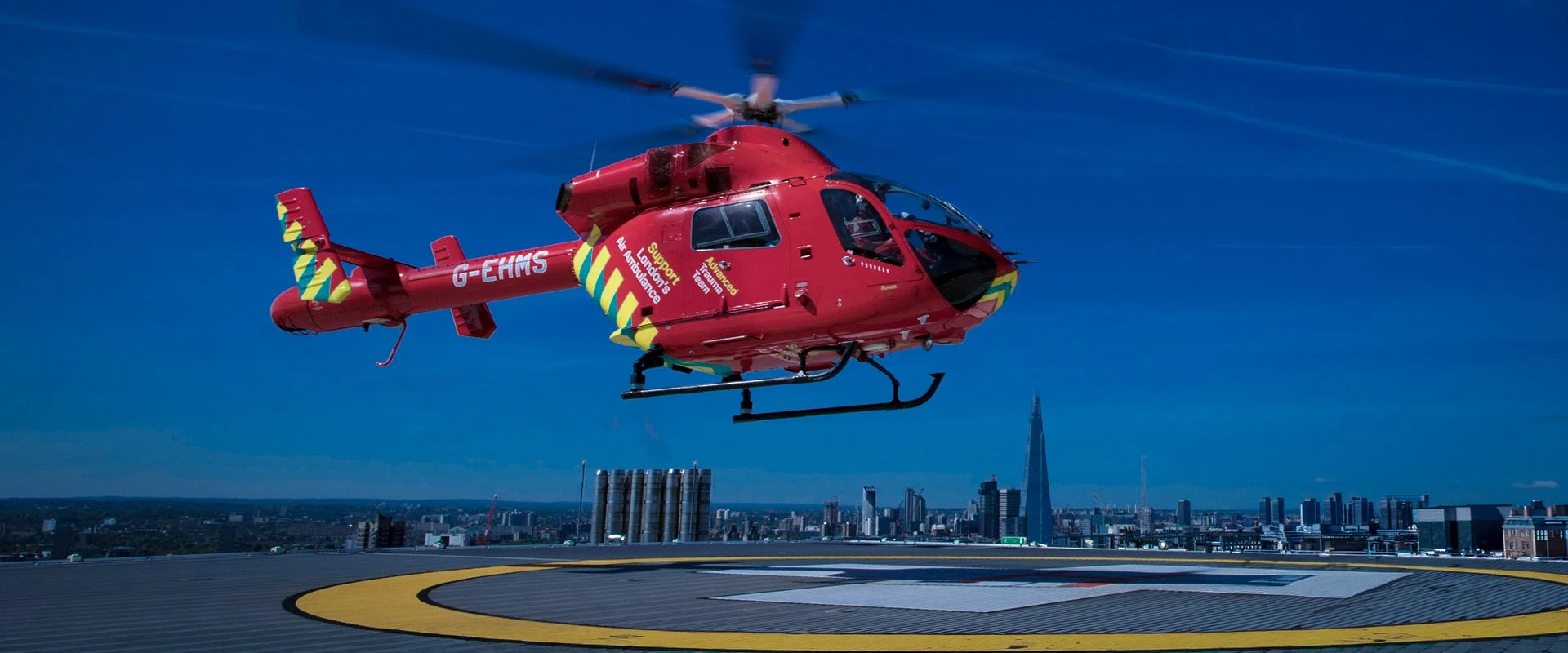
Yes. Through the Masonic Charitable Foundation and Lodge fundraising, a large share of what Freemasons give goes to non-Masonic causes — hospices, air ambulances, medical research and community projects across England and Wales.

How do I find out more, or join Royal Arthur Lodge?

Simply start a conversation. Send us an enquiry and a member will get in touch to answer your questions and, if you wish, invite you to meet the Lodge informally over dinner. There is no obligation at any stage.

GO DEEPER

Further reading & sources.

A short, honest starting shelf — recommended by the Museum of Freemasonry — plus the official bodies where every figure on this page can be checked.

Cover of Freemasonry: A Very Short Introduction

Freemasonry: A Very Short IntroductionAndreas Önnerfors · OUP, 2017

The best single starting point — short, rigorous and readable, by a leading historian of the subject.

Cover of A Quick Guide to Freemasonry

A Quick Guide to FreemasonryDavid Harrison · Lewis Masonic, 2013

A concise tour by an English historian and Freemason, from origins to dining traditions.

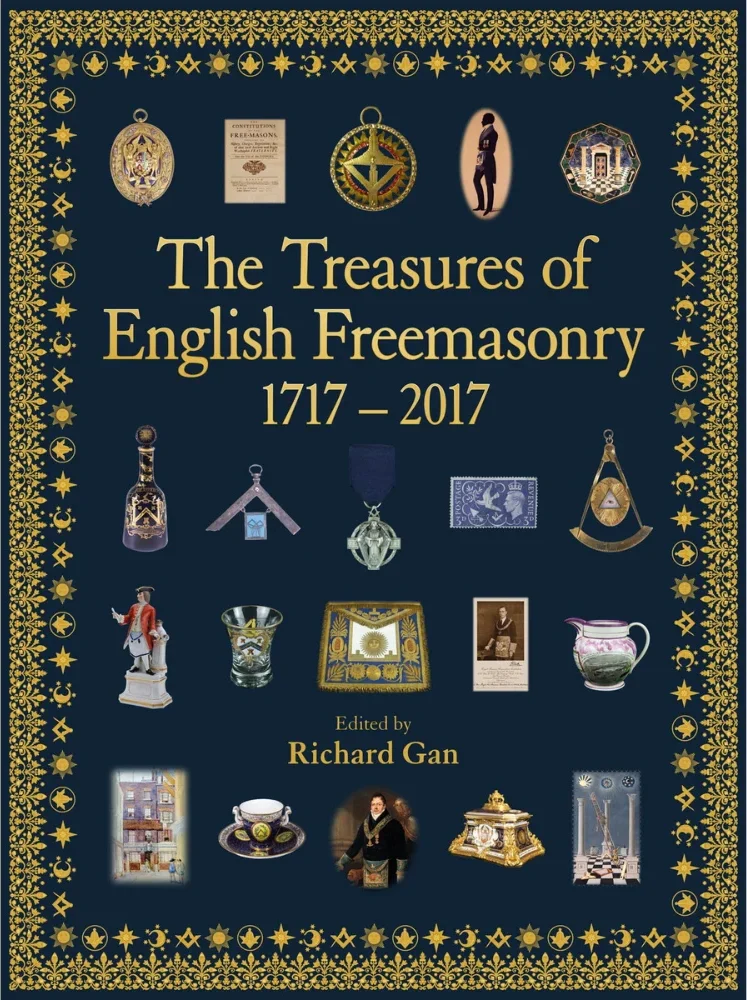
Cover of The Treasures of English Freemasonry 1717–2017

The Treasures of English Freemasonry 1717–2017Richard Gan (ed.) · Lewis Masonic, 2017

A richly illustrated celebration published for the tercentenary of the United Grand Lodge of England.

Metropolitan Grand Lodge of London charter mark
Governing body

United Grand Lodge of England (UGLE) and Metropolitan Grand Lodge

Formed in 1813 from the union of England’s two rival grand lodges, UGLE is the governing authority for Craft Freemasonry across England, Wales and a number of districts overseas. It maintains the rules of the Craft, charters new lodges, and groups them regionally — into county Provinces, and in the capital into the Metropolitan Grand Lodge of London, which is the body that oversees a lodge like Royal Arthur. Its home is Freemasons’ Hall on Great Queen Street.

England is not alone. The Grand Lodge of Scotland and the Grand Lodge of Ireland (among the oldest in the world) are separate, sovereign jurisdictions, and women’s Freemasonry has its own governing bodies — the Order of Women Freemasons and the Honourable Fraternity of Ancient Freemasons. Each Grand Lodge is independent, yet formally recognises the others.

ugle.org.uk
Order of Women Freemasons logo
Women’s Freemasonry

Order of Women Freemasons

The oldest and largest Masonic organisation for women in the UK and beyond, the Order welcomes women from all backgrounds who are interested in the same guiding values of integrity, friendship, respect and service. Its website explains eligibility, Lodge locations and how to make an enquiry.

owf.org.uk
Freemasons’ Charity logo
The charity

Masonic Charitable Foundation

Funded entirely by Freemasons and their families, the MCF is one of the largest grant-making charities in the country. It supports Masons and their dependants who fall on hard times, and gives well beyond the Craft — grants to national charities, medical and social research, hospices, and community and youth projects, as well as emergency support for disaster-relief appeals at home and abroad.

mcf.org.uk
Museum of Freemasonry logo
History & archive

Museum of Freemasonry

Housed within Freemasons’ Hall, the Museum holds one of the world’s most important collections of Masonic objects, regalia and art, alongside an extensive library and archive stretching back centuries. It is a fully accredited museum, free to visit and open to everyone — Mason or not.

museumfreemasonry.org.uk
Museum of Freemasonry logo
Library & catalogue

The Museum’s library

One of the largest and most significant collections of Masonic literature in the world sits within the Museum’s library at Freemasons’ Hall — and it is open to all, not just members. You can explore the catalogue online, or register as a reader and consult the material in person.

Search the catalogue
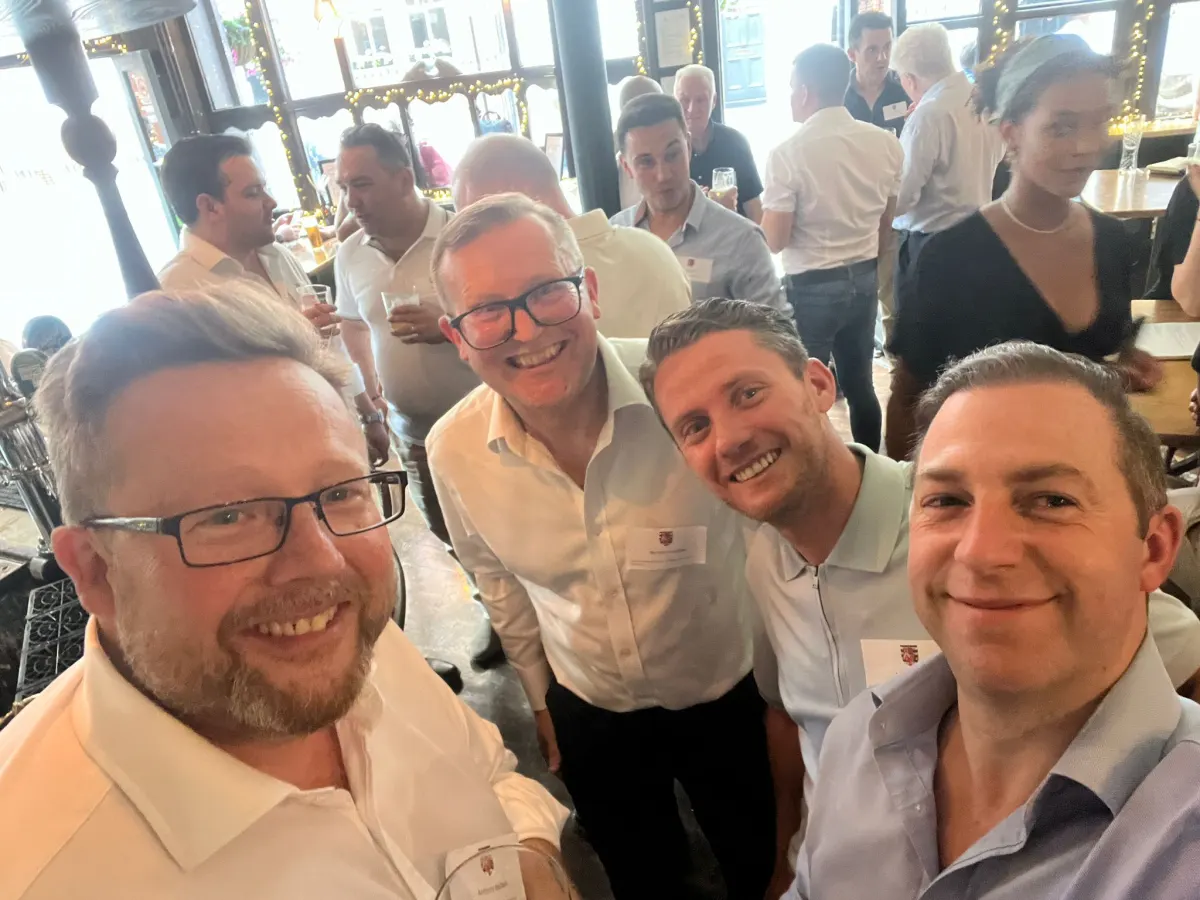
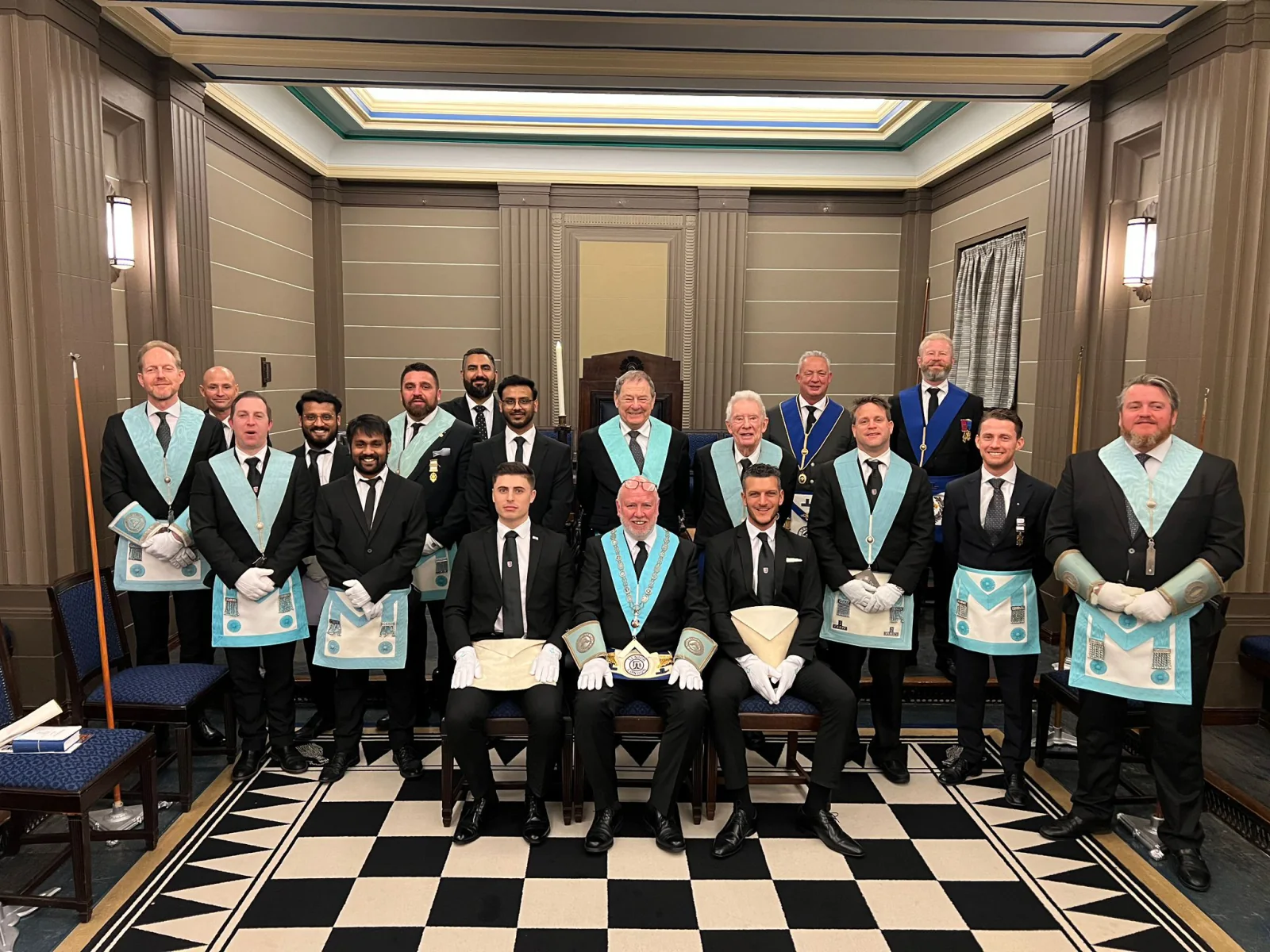
Members of Royal Arthur Lodge together in the Lodge room in 2026
Members of Royal Arthur Lodge No. 1360.

Taking the first step

Curious enough to have read this far? That is usually how it begins.

There is no obligation in simply asking. Start a conversation with us — we’ll answer honestly and let you decide in your own time.

One of 170,000 members across England & Wales — and welcoming new faces since 1871.