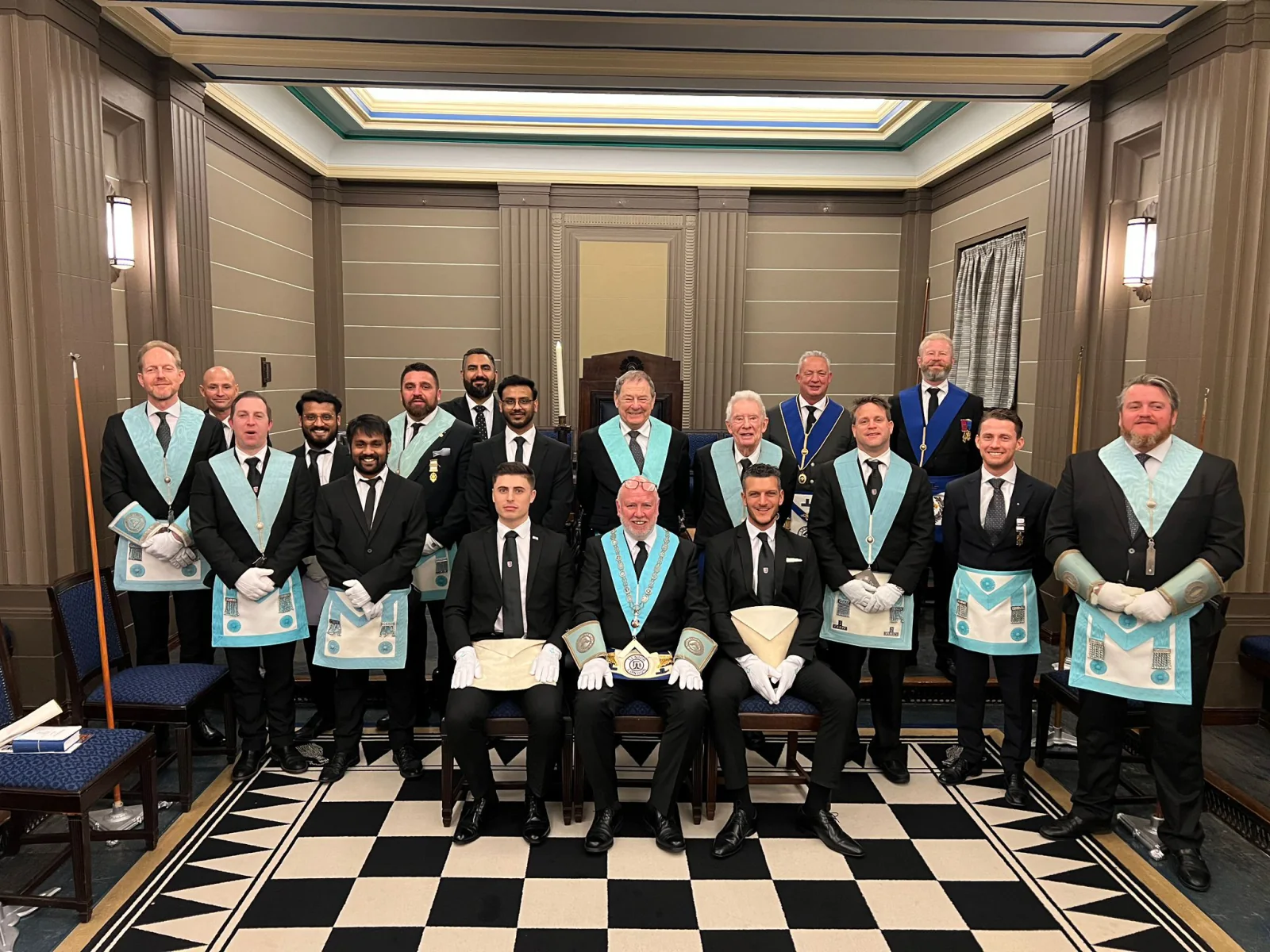
Freemasonry in England and Wales gives away roughly £1 million a week. That figure alone is worth pausing on, because it invites the two questions anyone would reasonably ask next: where does it actually go, and why should it be believed? Unlike much of Lodge life, this is one part of Freemasonry that has never been especially private — Masonic charities file public accounts like any other UK charity — but it is scattered across enough separate organisations, historic names, and figures that a straight answer is genuinely hard to piece together from the outside. This article is an attempt at that straight answer, covering the numbers, the rules that shape where the money can and can't go, and where Royal Arthur Lodge itself fits into all of it.
How Much Freemasonry Actually Raises
The headline figure most consistently cited by the United Grand Lodge of England is that Freemasons in England and Wales donate close to £1 million every week — around £51-52 million a year — through a mixture of central Masonic charities and direct giving by individual Lodges and Provinces. In 2020, total Masonic charitable donations topped £51 million despite the disruption of that year, and separately, Freemasons contributed around £1 million and an estimated 18 million hours of volunteering specifically toward the Covid-19 response.
A large share of the national total runs through the Masonic Charitable Foundation (MCF), formed in April 2016 by merging four older Masonic charities — the Freemasons' Grand Charity, the Royal Masonic Trust for Girls and Boys, the Masonic Samaritan Fund, and the Royal Masonic Benevolent Institution, some dating back to the 18th century. The MCF typically distributes in the region of £24 million a year, and has given out roughly 5,000 grants totalling around £50 million since it was formed. In 2023 alone, it awarded £6.8 million across 451 grants to external charities, plus a further £12.7 million directly to individual Freemasons and their families through its welfare programmes — figures that, taken together, illustrate the two separate things Masonic charity actually does, which is the subject of the next section.
Where the Money Actually Goes
It would be easy — and inaccurate — to imply that every pound raised goes straight to outside causes. It doesn't, and Masonic charities have never claimed it does. An independent fact-check by Channel 4 News, examining a year in which the United Grand Lodge of England's charities raised just over £33 million, found that roughly £15.8 million (around 52%) supported Masonic welfare — Freemasons, their widows, and their families, particularly in old age, illness, or financial hardship — while a little over £17 million (roughly 48%) went to non-Masonic causes entirely, including national bodies such as Dementia UK and the Royal College of Surgeons. Channel 4's own conclusion was that nothing about this breakdown suggested any wrongdoing; it simply showed what Masonic charity has always actually been.
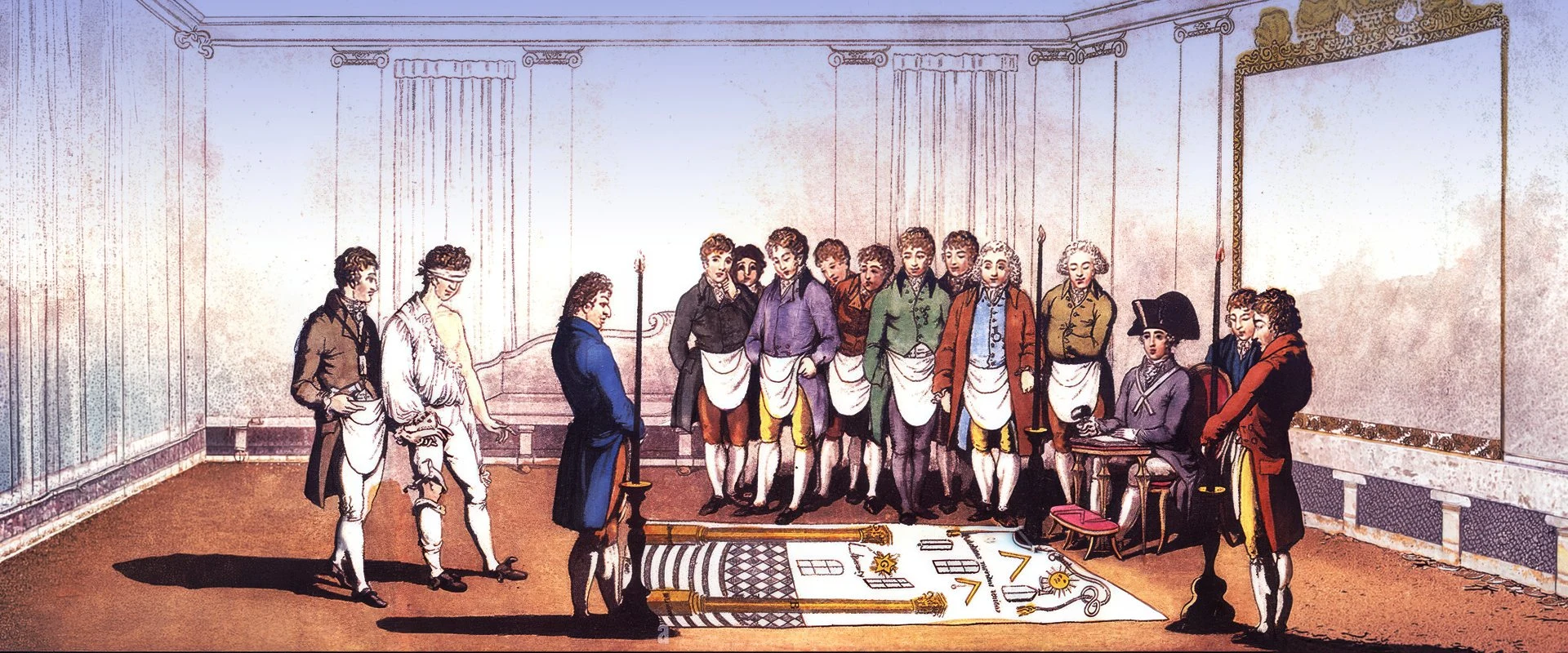
That welfare element is not an embarrassing footnote to be quietly minimised — it is close to the historical root of the whole system. Long before state pensions or the NHS existed, Masonic Lodges functioned partly as mutual-aid societies: a structured way for members to make sure that if a Brother fell on hard times, or died leaving a widow and children with no income, the Lodge would not simply let the family fall through the cracks. That instinct is exactly the same one covered in more detail in our article on Freemasonry's community of brotherhood — shared purpose and mutual obligation aren't separate from Masonic charity, they're where a large part of it started.
Freemasonry's community of brotherhood
What Freemasons Actually Fund
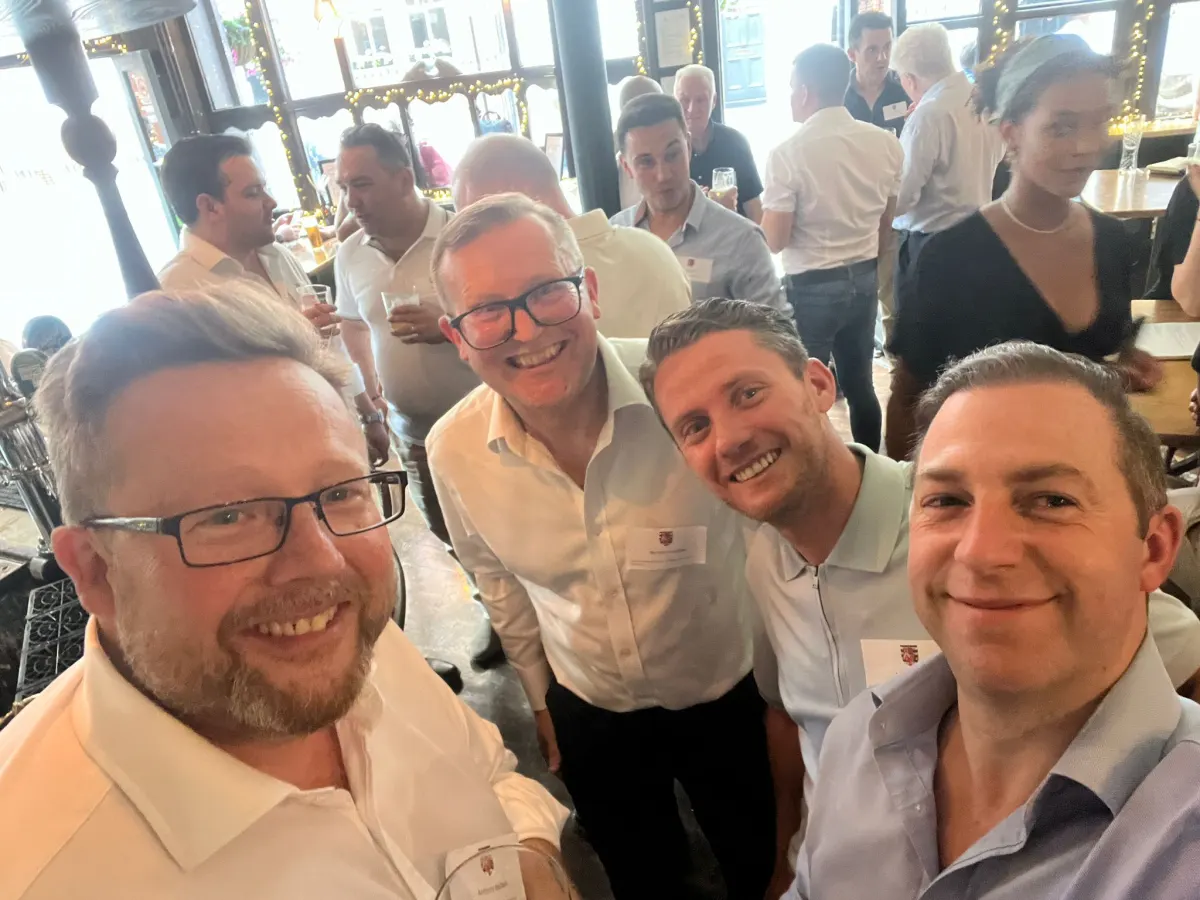
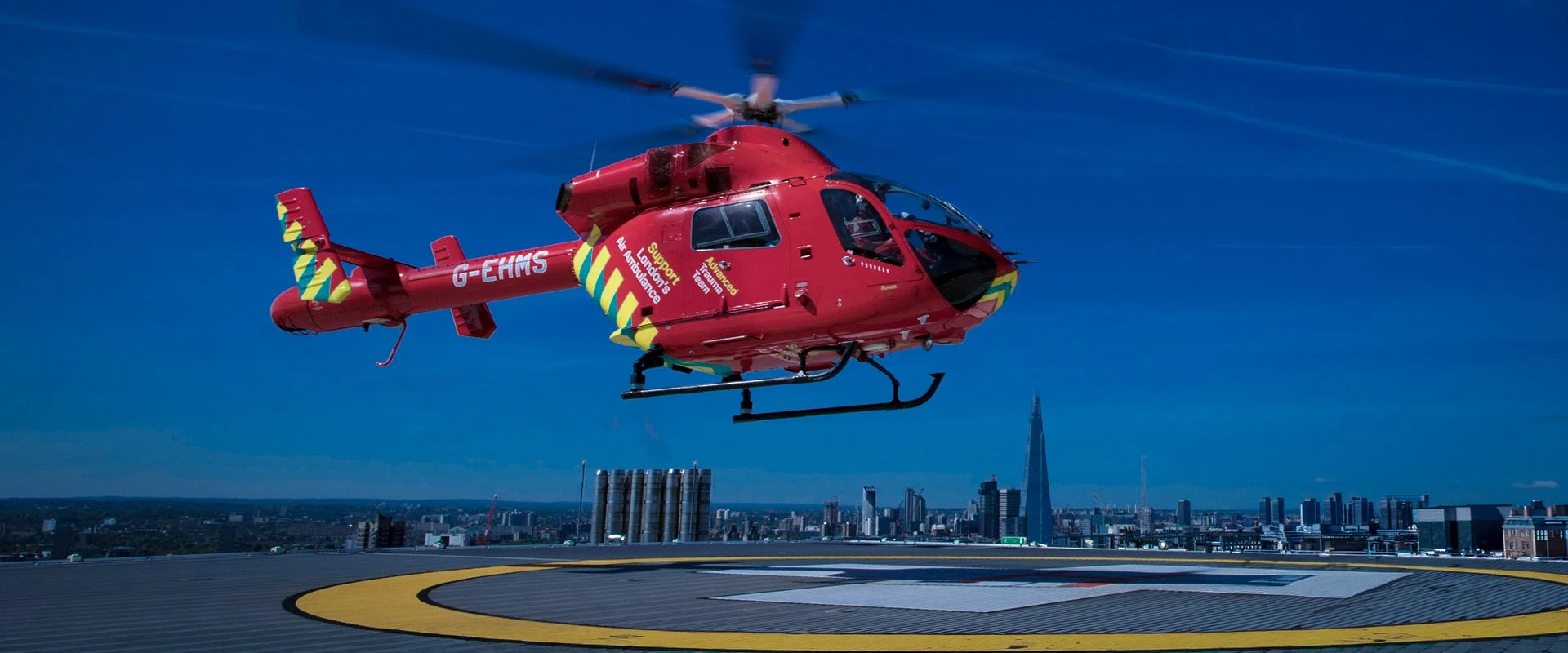
Beyond welfare, the external side of Masonic giving concentrates heavily on a handful of practical, apolitical causes. Emergency services are a longstanding favourite: the Freemasons' Grand Charity has supported air ambulance and rescue services since 2007, giving a combined £1.3 million to twenty-two services across the country, while London's Freemasons specifically have pledged £3 million toward London's Air Ambulance Charity's helicopter fundraising campaign, reaching £2 million of that pledge to date — a relationship reflected in the photograph accompanying this article. Medical research and mental health are the other two consistent themes: UGLE has reported Masonic support reaching over a million people dealing with mental health issues, and MCF grants regularly go to bodies such as the Royal College of Surgeons and Dementia UK. None of this is coincidental — these are exactly the kind of practical, non-partisan, universally uncontroversial causes that the rules covered in the next section actively steer Masonic giving toward.
The Rules Behind Masonic Giving
Freemasonry's Book of Constitutions — the rulebook governing the United Grand Lodge of England since 1723 — explicitly bars Masonic bodies from taking political or religious action, or attempting to influence legislation or elections, in the name of Freemasonry. Individual members can hold and campaign for whatever political or religious views they like as private citizens, but the Craft itself cannot, and that includes its charitable arm. This is a large part of why Masonic charity clusters so consistently around medical research, emergency services, disability and welfare support, and disaster response, rather than advocacy or campaigning organisations of any kind: those are simply the categories of cause that don't require taking a political or religious side. It's the same underlying principle that keeps Lodge meetings themselves free of party politics — consistent rules, applied to two different parts of Masonic life.
Royal Arthur Lodge’s Own Giving
Royal Arthur Lodge's own charitable history predates the modern MCF by sixty years. The Lodge became a Founding Lodge of the Royal Masonic Hospital in 1956, and has been a longstanding patron of both the Royal Masonic Institutions for Boys and for Girls and the Royal Masonic Benevolent Institution — two of the four charities that would later merge to form the MCF itself in 2016. At a local level today, members support local charities and community projects, emergency services and healthcare initiatives, and the wider Masonic charitable foundations alongside these long-standing commitments. The specific causes Royal Arthur Lodge supports right now, rather than historically, are listed in full on our Charity page.
Why This Is Different From Just Writing a Cheque
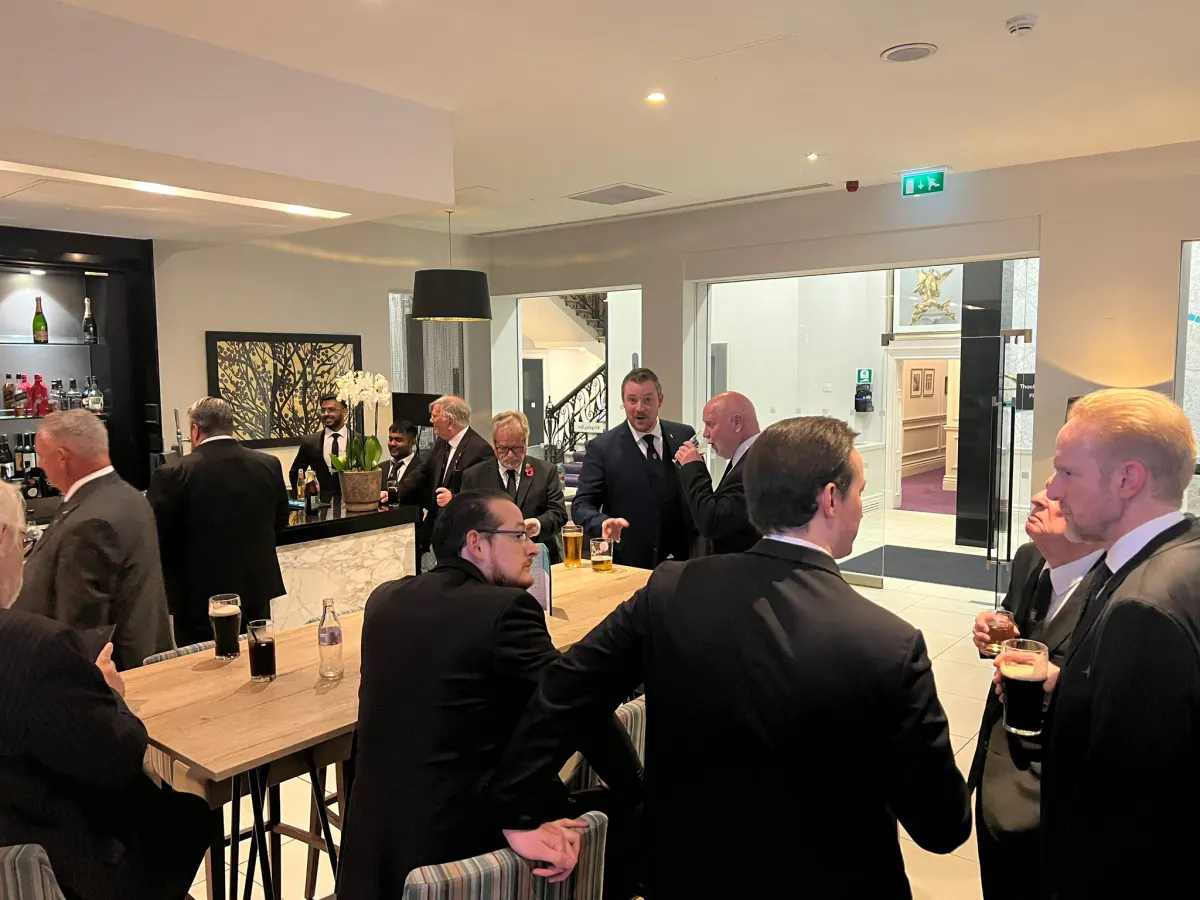
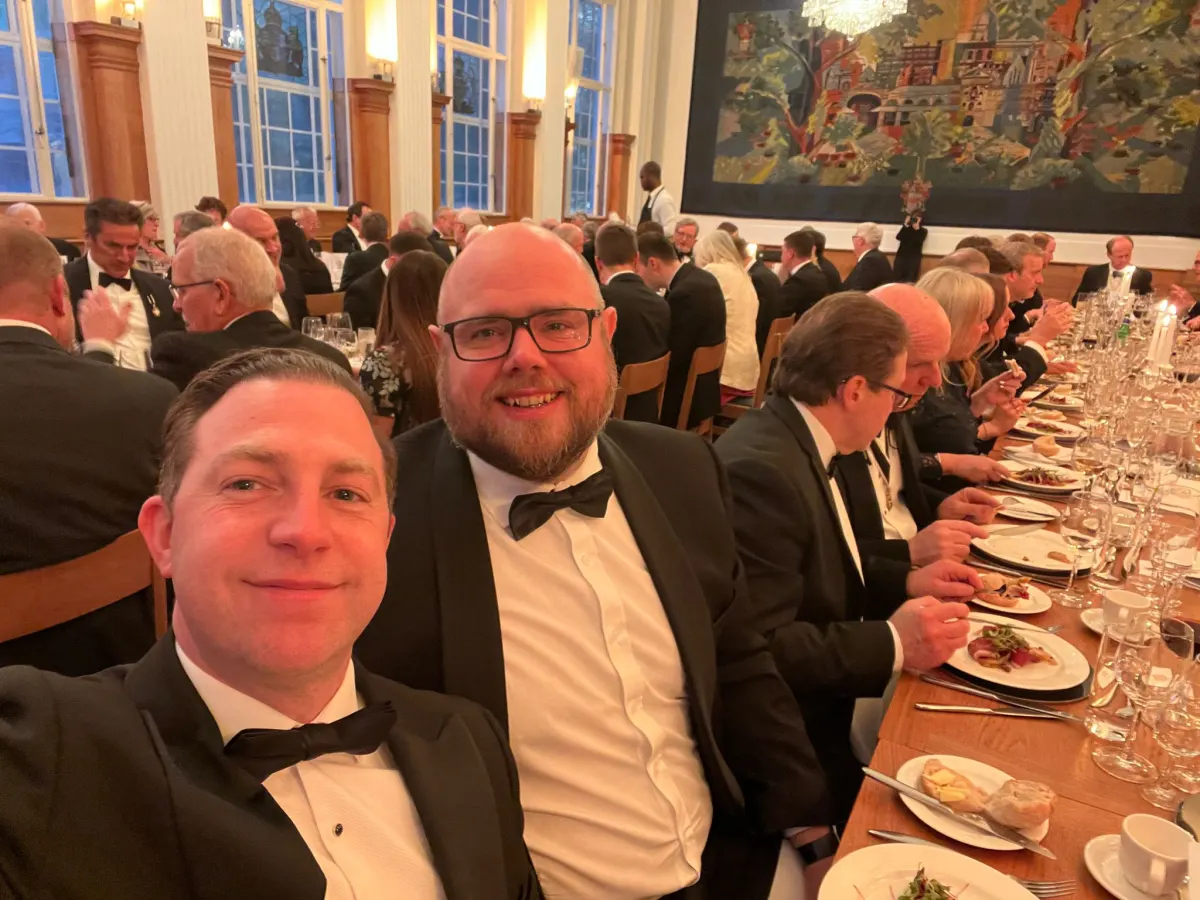
None of the figures above happen passively. A Lodge's charitable giving is something members do together — choosing causes as a group, fundraising at the Festive Board and through dedicated events, and seeing the results as a shared achievement rather than an individual receipt. That collective structure is precisely what was explored in our companion article on brotherhood and community: working toward something together tends to bond people more deeply than simply spending time together, and a Lodge's charitable calendar gives its members a constant, ongoing version of exactly that experience. The money matters, and the figures in this article are real and checkable — but for the people actually raising it, the giving itself is very rarely just about the money.
If you'd like to see exactly where Royal Arthur Lodge's own support goes today, visit our Charity page, or get in touch with any questions about how our giving works.